Enterprises engaged in customized carton packaging, logistics protective box and gift box production often face multiple production troubles brought by outdated cutting technologies. Plastic hollow board, corrugated paper and pearl foam are mainstream packaging substrates with different rigid and elastic physical properties. Conventional cutting tools cannot finish cutting, creasing and grooving in one procedure, resulting in rough edges, irregular indentations and a large amount of secondary manual trimming work. These widespread industry pain points increase labor intensity, extend processing cycles and raise comprehensive packaging production costs.
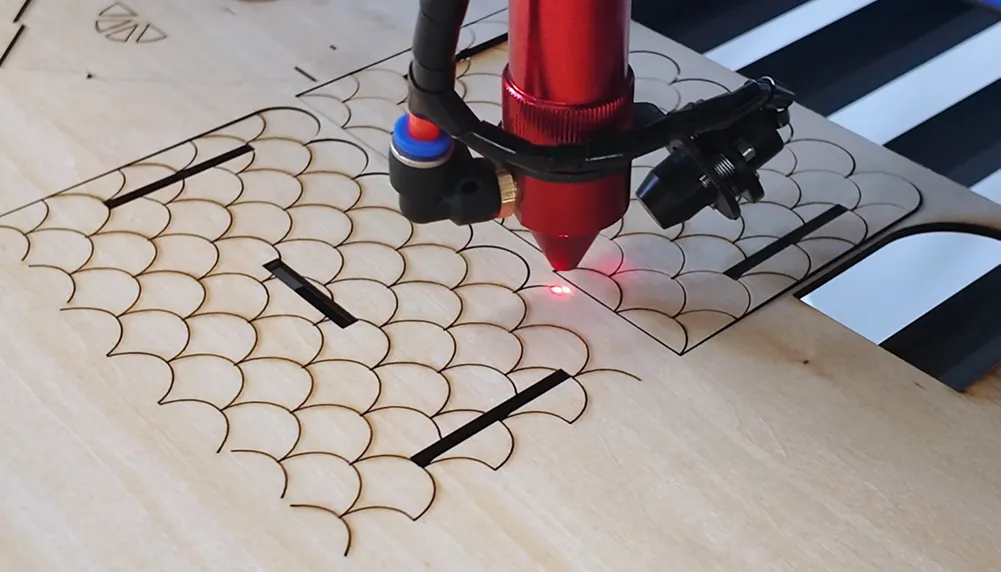
Three traditional packaging processing methods are widely used in packaging workshops, all with obvious inherent defects unsuitable for multi-material integrated forming. Manual cutting and indentation rely on rulers, hand-held blades and manual indentation wheels. Workers need separate procedures for cutting, creasing and grooving, consuming massive labor resources. Manual force is unstable, leading to uneven edges and distorted indent lines, and complex custom carton outlines take extremely long processing time. Random manual layout creates severe waste of packaging raw materials, and continuous mass production cannot be realized due to worker rest limits. Fixed steel die cutting requires dedicated molds for every carton style, bringing high mold fees and long opening cycles. Rigid stamping extrusion crushes hollow board honeycomb structure and compresses pearl foam to permanent deformation; one mold only matches single box specification, unable to respond quickly to small-batch custom orders. Laser cutting adopts high-temperature thermal separation, which melts hollow board plastic layer, scorches paper edges and makes pearl foam shrink; cutting releases irritating toxic smoke that fails environmental standards, and thermal damage ruins carton folding indentation effect.
Integrated vibration knife cutting equipment with interchangeable cutting, creasing and grooving tool heads thoroughly eliminates all multi-process defects of traditional packaging processing. Operators only import design drawings with one click, and the machine automatically completes cutting, indentation and grooving at one station without secondary manual finishing. Cold high-frequency vibration cutting generates no heat, so plastic hollow board will not melt, paper edges stay flat without burrs, and pearl foam avoids thermal shrinkage deformation. The whole machine features simple intelligent operation and greatly reduces labor intensity; fewer workers can complete the full set of packaging processing procedures. Without repeated mold customization, it flexibly matches diversified custom carton, logistics protection box and gift box production demands, significantly shortening sample trial and bulk order delivery time. Intelligent nesting software optimizes raw material layout to lower leftover scrap and cut packaging material procurement expenditure.
This multi-functional all-in-one vibration knife cutting machine supports all mainstream packaging raw materials widely applied in logistics and gift packaging industries. Applicable materials include plastic hollow corrugated board gray cardboard color printed card white cardboard single/double wall corrugated paper EPE pearl foam thick protective foam composite paper-plastic board thin gift box lining cardboard matte coated paper hard packaging board lightweight logistics foam pad. Each packaging material has unique rigidity, elasticity and internal structure that directly affect cutting and creasing effect, and the machine automatically adjusts cutting speed vibration frequency and tool pressure to fit different substrate thickness and hardness.
Plastic hollow corrugated board owns honeycomb hollow inner structure; laser heat melts plastic partition layers die extrusion collapses hollow cavities and loses buffer performance. Gray cardboard has thick rigid fiber structure uneven manual cutting creates jagged rough edges hard to fold neatly. Color printed card carries surface ink patterns thermal cutting fades printed graphics extrusion shifts decorative lines. White cardboard features compact paper texture rough cutting leaves fiber burrs affecting box appearance. Single/double wall corrugated paper has wavy interlayer forced tearing separates corrugation and flat paper layers. EPE pearl foam has closed-cell elastic structure high temperature makes foam shrink permanently static pressure collapses buffer pores. Thick protective foam has dense foaming matrix unadjusted blade pressure leads to incomplete cutting. Composite paper-plastic board bonds paper surface and plastic film thermal processing peels off plastic coating. Thin gift box lining cardboard is ultra-light slippery manual positioning shift causes asymmetric box outlines. Matte coated paper has diffuse matte surface high heat produces yellow scorch marks. Hard packaging board owns high rigidity strong extrusion leaves permanent indentations on box surface. Lightweight logistics foam pad has low density loose structure rough cutting generates messy foam debris.
Different from traditional packaging processing’s multi-step operation heavy labor thermal damage and high mold cost drawbacks integrated vibration knife all-in-one cold cutting completes cutting creasing grooving in one single pass without secondary trimming. No thermal or extrusion harm to paper and plastic substrates keeps neat folding lines and smooth finished box edges. Mold-free digital switching supports fast carton prototype modification suitable for frequent custom style updates. One single machine adapts all paper and foam packaging materials removing repeated mold development fees for various box designs. Packaging manufacturers can finish sample prototyping and mass customized production on one workstation lower labor and raw material waste stabilize carton folding quality and shorten customer order lead time simultaneously.