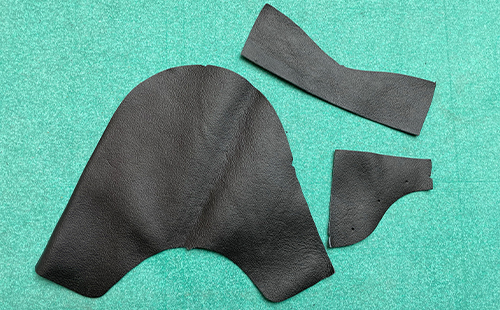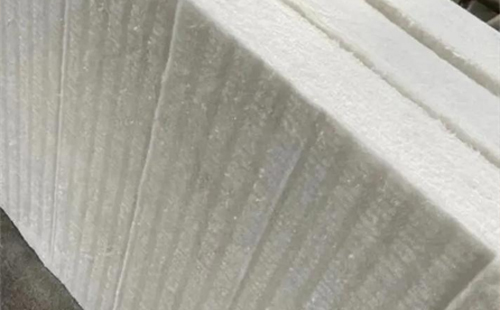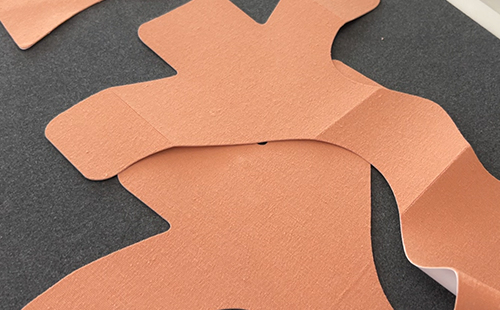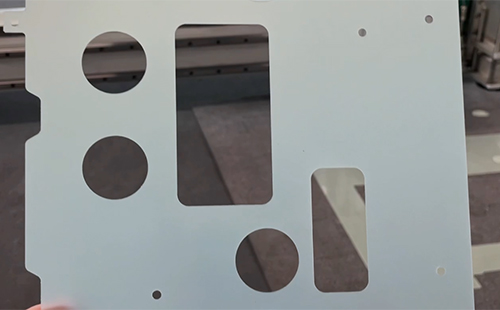
Industrial resin plates, including thin epoxy resin sheets, phenolic resin boards, and insulating resin slices, are widely applied in electronic and electrical engineering, new energy batteries, test fixtures, motor insulation, and equipment partition manufacturing. Featuring excellent electrical insulation, stable high and low temperature resistance, corrosion resistance and mechanical strength, these semi-rigid resin-based composite materials have become fundamental engineering materials for electrical insulation and structural support scenarios.
Nevertheless, resin materials have inherent processing drawbacks. Thin resin sheets are brittle and hard with weak interlayer bonding, easily causing edge chipping, slag falling, layered cracking and mass dust scattering during cutting. These defects not only undermine the insulation performance and assembly accuracy of finished products, but also bring potential occupational health risks to workshop workers. Traditional processing techniques suffer from excessive product defects, difficult dust control and high customization costs, failing to meet the precision manufacturing requirements of high-end electronic and electrical industries. Equipped with high-frequency flexible shearing technology and a dedicated dust collection structure, the CNC vibration knife cold cutting machine precisely controls cutting force and temperature, thoroughly solving resin sheet processing pain points such as edge chipping, delamination and heavy dust, and providing an efficient automated blanking solution for insulating parts and fixture partition production.
Core Pain Points of Traditional Resin Plate Cutting Processes
The brittle, hard and delamination-prone characteristics of resin plates impose strict requirements on cutting force control and dust management. All conventional processing methods have obvious adaptability defects in actual production:
1. Manual Cutting: Low Efficiency, Severe Chipping, Delamination & Heavy Dust
Manual blanking relies on hook knives and hand saws with templates. Thin resin sheets are processable manually, while medium and thick plates are laborious and time-consuming with extremely low single-shift output and soaring labor costs. Uneven manual cutting force easily pulls resin layers, causing edge chipping and interlayer separation. Finished parts have large dimensional deviations, and custom-shaped insulating parts and fixture partitions have unstandardized contours, leading to poor fitting after assembly and high rework rates. Resin debris and fiber dust scatter freely during manual cutting, exposing operators to long-term health hazards. In addition, manual layout depends entirely on worker experience, resulting in insufficient utilization of plate gaps and serious waste of high-cost insulating resin raw materials.
2. Laser Cutting: Thermal Carbonization Damage & Severe Flue Gas Pollution
Laser cutting is a high-temperature thermal processing technology. Resin materials melt and carbonize rapidly under high heat, causing blackened and hardened cutting edges and edge embrittlement, which directly damage the insulation performance and structural strength of resin plates. Finished products cannot meet the quality standards of high-end electronic insulating accessories. The processing process generates irritating resin flue gas and harmful volatile substances, requiring large-scale waste gas treatment equipment and increasing environmental management costs. Thick resin plates often suffer from incomplete cutting and backside slag adhesion, resulting in low product yield.
3. Die Stamping Cutting: Extrusion Delamination, High Mold Cost & Poor Flexibility
Die stamping separates materials through high-pressure impact. The strong extrusion force squeezes resin layers, causing interlayer peeling, edge chipping and slag falling, damaging the integrity of insulating and supporting surfaces of finished parts and leading to potential insulation failure after assembly. Custom dedicated molds are required for each special-shaped insulating part and fixture partition, with long mold opening cycles and high costs. For multi-specification and small-batch customized orders, the apportioned production cost is too high, making it uneconomical to undertake small-batch customized projects.
Core Advantages of Vibration Knife Cutting Machine for Resin Plate Processing
Targeting the brittle, delamination-prone and dust-sensitive processing characteristics of thin resin plates, our vibration knife cutting machine is specially optimized in blade vibration mode, force control and dust collection structure, realizing stable processing of resin plates and sheets with different thicknesses and formulas.
1. Room-Temperature Physical Cold Cutting, Zero Thermal Damage, Complete Insulation Performance Retention
The equipment completes cutting through high-frequency micro-amplitude blade vibration with full room-temperature cold processing. It completely avoids carbonization and melting defects caused by laser thermal cutting, fully retaining the original electrical insulation, temperature resistance and mechanical strength of resin plates. The insulation reliability of finished products is not affected by cutting, fully complying with performance standards of the electronic and electrical industries. No irritating flue gas is generated during processing, eliminating the need for large-scale waste gas treatment equipment and greatly reducing environmental protection investment costs.
2. Vertical Flexible Shearing, No Delamination or Chipping, Smooth Edges Without Secondary Trimming
Adopting a high-frequency vertical shearing mode, the equipment features ultra-low lateral cutting impact and precisely controllable blade pressure. It avoids lateral extrusion and pulling of resin layers, fundamentally eliminating interlayer separation, edge chipping and slag falling defects. Finished cut pieces have tight and flat edges without burrs, missing corners or delamination, requiring no manual secondary polishing and trimming. The products can be directly used in subsequent assembly processes, synchronously improving finished product quality and processing efficiency.
3. Dual Dust Collection & Adsorption System, Low-Dust & Safer Operation
Equipped with a dual dust removal solution consisting of a zoned vacuum adsorption table and fixed-point blade dust collection device, it instantly collects a small amount of resin debris generated during cutting, significantly reducing workshop dust concentration and lowering respiratory and skin contact risks for operators, fully meeting industrial safety and occupational health standards. Meanwhile, the vacuum adsorption system firmly fixes resin plates to prevent sliding and offset during cutting, further ensuring high cutting accuracy.
4. Mold-Free Special-Shaped Cutting, Flexible for All Order Sizes
Compatible with mainstream drawing formats including DXF, CAD and PLT, the machine generates cutting paths with one click after importing electronic files. It realizes one-time precise forming of standard square partitions, circular insulating gaskets, special-shaped fixture accessories and non-standard insulating components without any mold opening. Small-batch customized orders can be sampled on the same day, and product style adjustments only require modifying electronic drawings to switch production within minutes, perfectly adapting to the multi-specification and small-batch customized accessory demands of the electronic and electrical industries.
5. Intelligent Nesting & Common-Edge Cutting, Reduce Raw Material Loss
Built-in professional intelligent nesting system automatically identifies cut piece shapes and optimizes layout paths, supporting common-edge cutting and nested material arrangement to fully utilize plate edge gaps. Compared with manual layout, the material utilization rate is increased by more than 10%. Given the high cost of high-end insulating resin raw materials, large-batch processing can bring substantial cost savings and improved order net profit.
6. High-Precision CNC Tool Path, Consistent Batch Processing Quality
Equipped with an industrial servo CNC system, the cutting precision is stably controlled within ±0.1mm. All finished pieces in mass production feature highly consistent dimensions and contours with accurate assembly alignment. It greatly reduces rework and scrap rates, fully meeting the assembly tolerance requirements of high-end electronic accessories and precision fixtures.
Customized Advantages of Professional Resin Cutting Equipment
With in-depth experience in insulating and semi-rigid material cutting, our equipment is specially optimized for resin material characteristics and industrial processing scenarios, different from universal cutting machines:
1. Exclusive Tool Configuration for Semi-Rigid Materials
Equipped with customized tungsten steel blades and adjustable-force tool heads, it adapts to full-spec processing from ultra-thin resin sheets to medium-thick resin plates. It ensures no chipping for thin materials and one-time complete cutting for thick plates, covering all mainstream insulating resin plate processing demands with one device.
2. Customizable Dust Collection & Adsorption Solution
Matching different specifications of dust collection systems and zoned adsorption tables according to workshop conditions and plate characteristics, it realizes instant collection of cutting debris. Auxiliary pressing components can be installed to further improve the cutting stability of brittle and hard plates and reduce edge chipping risks.
3. Specialized Nesting Optimization for Insulation Industry
Optimize common-edge cutting and nested layout algorithms for mainstream products such as insulating gaskets, fixture partitions and battery pack insulating parts to maximize plate utilization. It supports rapid batch order import and production scheduling, saving manual layout time and improving overall production line efficiency.
4. Full-Cycle After-Sales Guarantee
Provide free sample cutting testing for customers to verify cutting effect, dust control performance and precision before cooperation. We offer door-to-door equipment installation, commissioning and one-on-one operator training. Rapid response for daily technical problems, local spare parts supply and free long-term software upgrades ensure long-term stable operation of production lines.
Conclusion
The core difficulties of resin sheet processing lie in ensuring chipping-free and delamination-free cutting quality, controlling dust diffusion safety risks and reducing customized production costs. Traditional manual, laser and die stamping processes cannot balance quality, safety, efficiency and cost, resulting in defective products, damaged insulation performance and poor environmental compliance.
Combined with a professional dust collection system, the CNC vibration knife cold cutting machine realizes delamination-free, high-precision and mold-free flexible cutting. It improves production efficiency, reduces raw material loss, lowers occupational health risks and guarantees finished product insulation performance. It is the preferred automated blanking solution for resin insulating accessories in electronics, electrical engineering, new energy and fixture processing industries.
If you have cutting demands for resin plates and insulating accessories, welcome to contact us for sample testing and customized cutting solutions and equipment quotations.