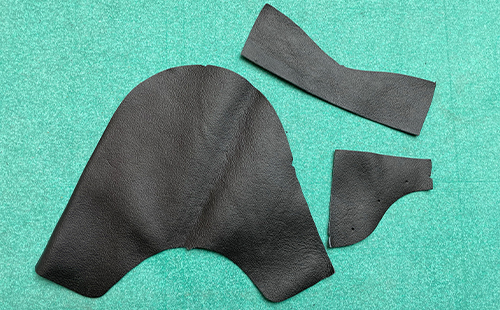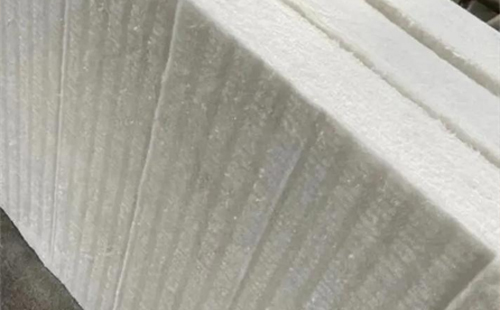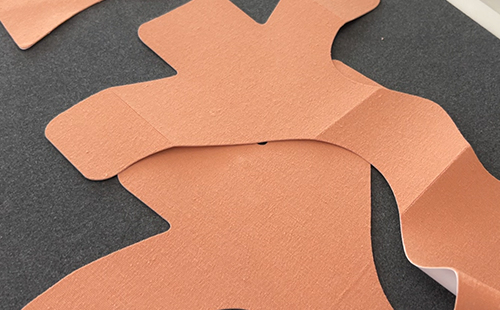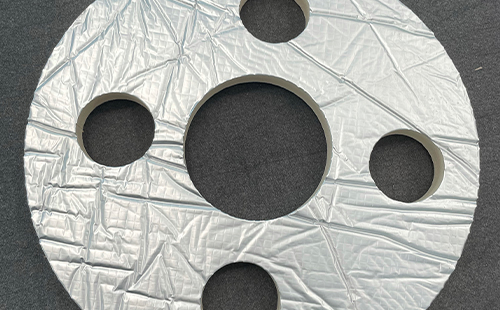
Insulation cotton is the most widely used thermal insulation and noise reduction material in industrial and construction fields, covering glass wool, rock wool, aluminum silicate cotton, rubber plastic insulation cotton and other categories. Relying on the internal porous fiber structure, it delivers excellent thermal insulation, sound absorption, noise reduction and fire retardant performance, serving diverse application scenarios including building exterior wall insulation, HVAC pipeline cladding, equipment thermal insulation lining, cold storage insulation and automotive sound insulation.
As a porous and flexible fiber material, insulation cotton features fluffy texture and easily shedding fibers. Conventional cutting processes often lead to edge chipping, slag falling, fiber delamination and compressed pores, which not only pollute the workshop environment with floating fiber dust but also greatly reduce the thermal insulation performance of finished products. When processing customized components such as pipeline arc insulation sleeves and special-shaped equipment thermal insulation parts, traditional processing methods suffer from low efficiency, heavy dust and numerous product defects. The CNC vibration knife cold cutting machine adopts high-frequency physical cutting technology matched with professional dust removal and vacuum adsorption structures, completely solving core pain points including edge chipping, serious dust and difficult special-shaped processing, becoming the mainstream automatic blanking equipment for thermal insulation building materials and sound insulation industries.
Core Pain Points of Traditional Insulation Cotton Cutting Processes
With loose fibers and fragile porous structure, insulation cotton is extremely incompatible with traditional processing technologies, making it difficult to balance finished product quality and production efficiency:
1. Manual Cutting: Low Efficiency and Severe Dust Pollution
Manual blanking with utility knives and hand saws fully depends on workers’ proficiency. It is impossible to guarantee high precision for special-shaped arcs and pipeline insulation tiles, resulting in poor consistency of batch cut pieces. A large amount of floating fiber dust is generated during cutting, causing respiratory irritation and increasing workshop cleaning pressure. Meanwhile, manual layout leads to low material utilization rate and serious waste of high-cost insulation cotton materials. In addition, rising labor costs and low production efficiency severely restrict factory output capacity.
2. Laser Thermal Cutting: Burnt Edges and Damaged Insulation Structure
Laser cutting is a high-temperature thermal processing method. The insulation cotton fibers melt and carbonize rapidly under high heat, causing black and hardened cutting edges and shrunken internal pores, which directly weaken the thermal and acoustic insulation effect. Cutting inorganic fibers such as glass wool and rock wool produces irritating smoke and harmful substances, requiring large-scale waste gas treatment equipment and increasing extra environmental protection costs. Laser thermal cutting has been restricted in many formal thermal insulation engineering scenarios due to performance damage and pollution risks.
3. Die Stamping: Compressed Delamination and High Mold Replacement Cost
Die stamping separates materials through high-pressure impact. The strong pressure compresses the internal pores of insulation cotton, causing permanent depression of plates and fiber layer delamination, which greatly reduces the resilience and thermal insulation performance of finished products. Custom special-shaped insulation sleeves and arc gaskets require dedicated custom molds with long production cycles and high costs. The poor flexibility of style adjustment makes it impossible for manufacturers to undertake small-batch customized orders, limiting business expansion.
Core Advantages of Vibration Knife Cutting Machine for Insulation Cotton Processing
Targeting the characteristics of loose fibers, easy slag falling and fragile porous structure of insulation cotton, our vibration knife cutting machine optimizes the cutter head vibration frequency, cutting force and supporting dust removal scheme, realizing stable processing of insulation cotton plates and rolls with different densities and thicknesses.
1. Normal-Temperature Physical Cold Cutting, Zero Thermal Damage
The equipment completes cutting through high-frequency small-amplitude blade vibration without generating high temperature. It avoids fiber melting, carbonization and porous structure damage caused by thermal processing, fully retaining the original thermal insulation, sound absorption and flame retardant properties of insulation cotton. The cutting edge features no blackening, hardening or burnt marks, ensuring finished products fully meet standard requirements of construction and industrial thermal insulation projects.
2. Flexible Shearing, No Chipping or Delamination with Smooth Cuts
Different from the impact cutting of saw blades, the high-frequency vibration shearing mode greatly reduces lateral cutting force. It will not pull fibers or damage the internal layered structure, fundamentally eliminating edge chipping, slag falling and delamination defects. The compact and flat cutting edges greatly reduce fiber shedding, requiring no manual secondary trimming and polishing. Finished products can be directly used for subsequent installation, improving product appearance and construction adaptability.
3. Zoned Vacuum Adsorption + Integrated Dust Removal, Low-Dust Eco-Friendly Operation
Equipped with a zoned vacuum adsorption table, the machine can adjust suction according to the thickness and density of insulation cotton. It firmly fixes materials to prevent sliding during cutting without over-compressing the porous structure. Matched with a professional centralized dust collection system, a small amount of fiber debris generated during processing is fully collected, effectively reducing workshop dust floating, lowering cleaning pressure and occupational health risks, and easily meeting industrial environmental protection production standards.
4. Intelligent Nesting & Common-Edge Cutting, Lower Material Loss
Built-in professional nesting system dedicated to thermal insulation materials supports common-edge cutting and dense material arrangement. It automatically optimizes the layout path of cut pieces to make full use of plate gaps and edges. Compared with manual layout, the material utilization rate is increased by more than 10%. For high-cost insulation cotton raw materials, the material-saving advantage brings substantial profit growth for engineering orders.
5. Mold-Free CNC Special-Shaped Cutting, Flexible for All Order Sizes
Compatible with mainstream drawing formats such as DXF, CAD and PLT, the machine generates cutting paths with one-click drawing import. It realizes one-time precise forming of conventional straight plates, pipeline arc insulation sleeves, special-shaped equipment thermal insulation parts and irregular sound insulation cotton without any custom molds. It supports rapid sample making and flexible style adjustment, perfectly adapting to multi-style and small-batch customized thermal insulation engineering orders.
6. Automatic Roll Feeding + Multi-Layer Cutting, Labor Saving & High Productivity
Matched with automatic unwinding and feeding system, the equipment realizes uninterrupted continuous cutting of insulation cotton rolls, reducing manual material handling and spreading time and lowering labor intensity. Thin insulation cotton supports multi-layer stacked cutting, with one-pass processing producing multiple finished pieces. A single machine can replace 4-6 skilled workers, greatly improving mass production efficiency and reducing labor costs.
Customized Advantages of Professional Insulation Cotton Cutting Equipment
Focusing on flexible thermal insulation and sound absorption material processing, our equipment is specially optimized for insulation cotton processing characteristics, different from general-purpose cutting machines with stronger industrial adaptability:
1. Multi-Thickness Adaptive Cutting System
Equipped with adjustable-stroke cutter head and precise depth control system, it adapts to full-spec processing from thin cotton felts to thick insulation boards. It avoids material stretching for thin cotton and realizes one-time thorough cutting for thick plates without frequent cutter head replacement, covering all types of insulation cotton processing demands with one device.
2. Integrated Dust Removal & Roll Linkage Solution
Customizable integrated structure of automatic roll feeding, deviation correction and dust collection realizes full-process automation from unwinding, positioning and cutting to debris collection. It minimizes manual intervention and increases single-shift production capacity by more than 30%, fully meeting mass production demands of large-scale thermal insulation material factories.
3. Professional Industry After-Sales Mechanism
We provide 7×12-hour technical response service with remote rapid troubleshooting for common faults and local warehouse supply of conventional consumables and accessories. Free lifelong process upgrade guidance is available, with remote parameter debugging for new cotton materials and special processes to ensure long-term stable and adaptive operation of production equipment.
Conclusion
The core difficulties of insulation cotton processing include preventing fiber slag falling, protecting porous thermal insulation structure, controlling workshop dust pollution and realizing precise processing of special-shaped components. Traditional manual cutting, laser cutting, die stamping and saw cutting either damage material performance, cause high environmental risks or increase production costs, failing to adapt to the current customized and large-scale development trend of thermal insulation engineering processing.
Featuring normal-temperature zero-damage cutting, low-dust operation, chip-free & delamination-free edges and mold-free flexible production, the CNC vibration knife cold cutting machine solves all insulation cotton processing pain points in one stop. It efficiently produces standard thermal insulation plates and quickly delivers customized special-shaped pipeline insulation sleeves and equipment thermal insulation parts, becoming the preferred automatic blanking solution for the thermal insulation building materials and sound insulation industry.
If you have cutting demands for insulation cotton, sound absorption cotton and various thermal insulation fiber materials, welcome to contact us for sample testing and customized cutting solutions and equipment quotations.