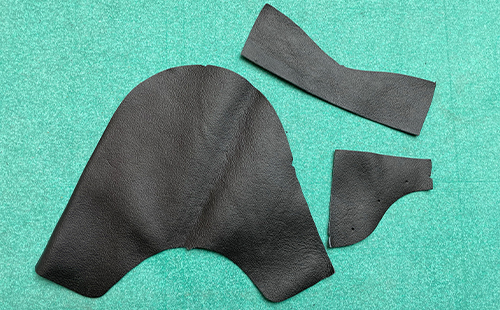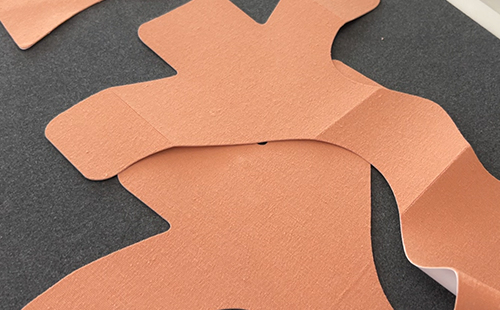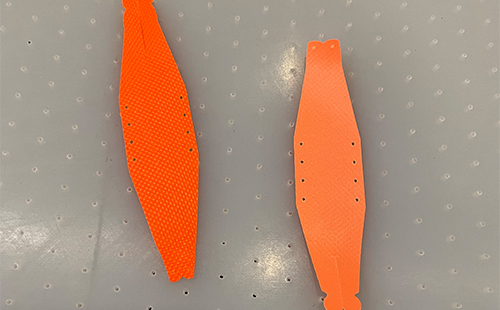
PVC fabric is a high-performance composite coating material made of polyester fiber base cloth coated with PVC polyvinyl chloride resin. Common types include PVC coated fabric, PVC knife-coated fabric, PVC mesh fabric, flame-retardant PVC tarpaulin and PVC advertising printing fabric. With excellent waterproof, rainproof, tear resistance, aging resistance, flame retardancy and corrosion resistance, it is widely applied in truck tarpaulins, outdoor tents, advertising printing, industrial dust covers, swimming pool covers, equipment protective covers and sunshade canopies.
As a coated mesh composite fabric, PVC material is extremely sensitive to cutting temperature and mechanical force. High-temperature processing leads to coating carbonization, burnt edges and base cloth embrittlement, completely damaging the original waterproof performance. Excessive cutting pressure causes coating scratching, glue peeling and permanent indentations on the fabric surface. Traditional processing methods struggle with high mold costs, burnt edge water leakage and rough edges when producing large-size special-shaped tarpaulins, spliced pieces and perforated accessories, failing to meet the current market demand for multi-style and customized PVC fabric products. The CNC vibration knife cold cutting machine adopts high-frequency physical shearing technology with stable force and temperature control, thoroughly solving core pain points such as burnt edges, glue peeling and difficult special-shaped processing for PVC fabrics.
Core Pain Points of Traditional PVC Fabric Cutting Processes
PVC coated fabric features thick coating, tough base cloth and high-temperature sensitivity due to chlorine elements. All conventional cutting technologies have obvious adaptability defects, restricting product quality and production efficiency:
1. Die Stamping: Severe Glue Peeling, Permanent Indentations & High Custom Mold Cost
Die stamping separates fabrics through high-pressure punching force. Strong extrusion easily causes cracking and peeling of the PVC coating, leaving irreversible indentations on the fabric surface. These damaged areas lose waterproof structural integrity, resulting in water leakage and cracking during long-term outdoor use. Custom large-size molds are required for processing oversized special-shaped tarpaulins and irregular dust covers, featuring long manufacturing cycles and high costs. The poor flexibility of style adjustment makes it impossible to undertake small-batch customized orders, limiting business expansion for fabric processing factories.
2. Manual Cutting: Low Precision & Low Efficiency for Large-Format Fabrics
Manual blanking with utility knives and electric scissors completely depends on workers’ operational proficiency. It is difficult to guarantee dimensional accuracy for large-size tarpaulin splicing parts and arc-shaped accessories, leading to poor consistency of batch cut pieces. Cutting thick knife-coated fabric and mesh fabric is labor-intensive and time-consuming, with rough, loose-thread edges that require secondary manual trimming and polishing. The overall production efficiency is extremely low, and the rising labor cost of skilled cutters further increases factory operating pressure.
3. Laser Cutting: Thermal Carbonization & Dual Environmental and Performance Risks
Laser cutting is a high-temperature thermal processing method. PVC contains chlorine elements that melt and carbonize rapidly under high heat, causing black, hard and damaged cutting edges. The waterproof and sealing performance of PVC fabric is completely destroyed, making finished tarpaulins and canopies prone to cracking and water leakage from cut edges. In addition, laser burning produces toxic and irritating flue gas, requiring large-scale waste gas treatment equipment to pass environmental inspections. Many regions have explicitly restricted laser processing of PVC materials due to environmental pollution risks.
Core Advantages of Vibration Knife Cutting Machine for PVC Fabric Processing
Targeting the characteristics of poor temperature resistance, vulnerable coating and wide format of PVC coated fabrics, our vibration knife cutting machine optimizes the cutter head vibration mode and CNC cutting logic, realizing stable and precise processing for PVC fabrics and rolls of different thicknesses and base cloth specifications.
1. Normal-Temperature Cold Cutting, No Burnt Edges or Carbonization, Complete Waterproof Performance Retention
The equipment completes cutting through high-frequency small-amplitude blade vibration at normal temperature without any thermal generation. It avoids PVC coating melting and base fiber burning, delivering cutting edges with no carbonization, blackening or hardening. The original waterproof, sealing and tear-resistant properties of PVC fabric are fully retained, effectively preventing edge cracking and water leakage and extending the service life of tarpaulin and canopy products. No toxic flue gas is generated during processing, eliminating the need for large exhaust treatment equipment and fully meeting environmental protection production standards.
2. Low-Resistance Flexible Shearing, No Glue Peeling or Indentations with Smooth Cuts
Adopting high-frequency vibration shearing mode, the machine precisely controls extrusion force during cutting. It avoids strong friction and scratching on the PVC coating, ensuring no indentation, glue peeling or wrinkling on the fabric surface. The vertical and flat cutting edges are free of burrs and loose threads, requiring no secondary manual trimming. Finished cut pieces can be directly used for subsequent splicing and sewing procedures, greatly improving product appearance and overall quality.
3. Large-Format CNC Cutting, One-Piece Forming for Special-Shaped Pieces
Equipped with an extra-large processing table and compatible with mainstream drawing formats including DXF, CAD and PLT, the machine realizes one-time integrated forming for large-size tarpaulin splicing parts, arc accessories and perforated contours without segmented cutting and splicing. Physical molds are no longer required, and production styles can be adjusted by simply modifying electronic drawings. It supports rapid new product sampling and flexible production, perfectly adapting to multi-style customized orders for tarpaulins and industrial dust covers.
4. Intelligent Nesting & Common-Edge Cutting, Lower Raw Material Loss
Built-in professional fabric dedicated nesting system supports common-edge cutting and dense material arrangement. It automatically optimizes the layout path of large-format PVC fabrics and makes full use of leftover gaps. Compared with manual layout, the material utilization rate is increased by more than 10%. For high-cost PVC knife-coated fabric and mesh fabric, the material-saving advantage brings substantial profit growth, especially for large-batch production orders.
5. Automatic Roll Feeding, Adaptable to Large-Scale Mass Production
Matched with automatic unwinding, deviation correction and continuous feeding system, the equipment realizes uninterrupted cutting of full PVC fabric rolls. It reduces manual material handling and fabric spreading workload, lowers labor intensity and greatly improves single-shift production capacity, fully meeting the mass production demands of large-scale tarpaulin and advertising fabric processing factories.
Customized Advantages of Professional PVC Fabric Cutting Equipment
Focusing on the R&D and manufacturing of outdoor flexible material cutting equipment, our machine is specially optimized for PVC fabric processing characteristics, with more targeted functions than general-purpose cutting equipment:
1. Large-Format High-Precision Cutting System
Aiming at the wide format and high splicing accuracy requirements of PVC fabrics, the equipment is equipped with a high-precision servo transmission system with zero cumulative error during long-distance cutting. It ensures stable dimensional consistency of large-size cut pieces, accurate splicing alignment and effectively reduces rework caused by water leakage and poor assembly.
2. Optional Automatic Roll Linkage Production Solution
Customizable integrated structure of automatic unwinding, deviation correction and feeding realizes full-automatic uninterrupted processing of PVC rolls. It saves a large amount of manual auxiliary operation time, increases single-shift production capacity by more than 30% and perfectly adapts to high-volume production lines of professional tarpaulin factories.
3. Professional Custom After-Sales Support
We provide 7×12-hour full-time technical response service with rapid remote troubleshooting for common equipment faults. Conventional consumables and accessories are supplied from local warehouses for fast replacement. Free lifelong process upgrade guidance and remote parameter debugging are provided for new materials and new processes to ensure long-term stable operation of the production line.
Conclusion
The core difficulties of PVC fabric processing are avoiding high-temperature burnt edges, preventing coating glue peeling and realizing high-precision cutting of large-size special-shaped pieces. Traditional die stamping, manual cutting and laser cutting either damage the waterproof performance of finished products, or suffer from high production costs and severe environmental risks, unable to adapt to the customized and diversified development trend of outdoor tarpaulin and protective product processing.
Featuring normal-temperature zero-damage cutting, no indentation & no glue peeling, large-format special-shaped one-piece forming and mold-free flexible production, the CNC vibration knife cold cutting machine solves all PVC fabric processing pain points in one stop. It efficiently produces standard straight-cut pieces and quickly delivers customized large-size special-shaped tarpaulins and dust covers, serving as the preferred automatic blanking equipment for the PVC fabric processing industry.
If you have cutting demands for PVC fabric, tarpaulin and outdoor flexible coating materials, welcome to contact us for free sample testing and exclusive customized cutting solutions and equipment quotations.