Garment, handbag and shoe material manufacturers face severe production bottlenecks brought by outdated fabric cutting methods. Manual cutting, steel die stamping and laser cutting all have obvious defects that cannot match today’s market demand for fast sample development, small-batch personalized orders and stable high-quality finished clothes. This article sorts out universal industry pain points of traditional fabric cutting technologies, compares core performance differences between traditional crafts and CNC vibrating knife cutting equipment, lists all applicable textile and leather materials, and analyzes the physical characteristics of each material and matched cutting logic for factory reference.
Core Industry Pain Points of Traditional Garment Fabric Cutting
First, manual cutting relies heavily on skilled tailors with extremely low output and unstable precision. Workers trace paper patterns and cut cloth with scissors or round knives. For complex clothing patterns with curved lines, a single worker can only finish a small number of cut pieces per day. Mass production requires dozens of cutting workers, leading to continuous high labor expenditure. Manual cutting error reaches 1–3mm, resulting in inconsistent garment sizes, loose stitching and high defective rates. Meanwhile, manual layout depends on workers’ experience, which wastes plenty of expensive textile raw materials.
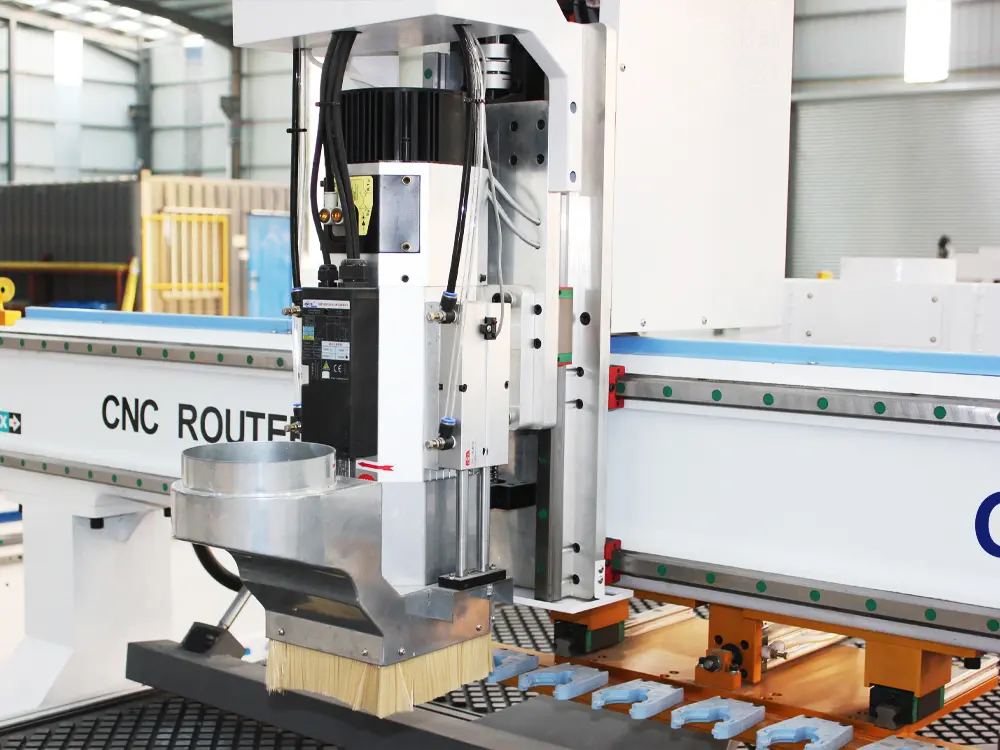
Second, die stamping cutting brings heavy mold cost and slow style switching. Every new clothing design needs customized metal cutting dies, with high opening fees and a production cycle of 3–7 days. If brands adjust clothing sizes or update patterns, factories must remake dies repeatedly, increasing extra production costs and delaying order delivery. When cutting multi-layer fabrics, die stamping squeezes textiles tightly, causing fiber stretching, edge fraying and fabric deformation. Thick composite fabrics cannot be fully cut through by standard dies, raising scrap rates sharply.
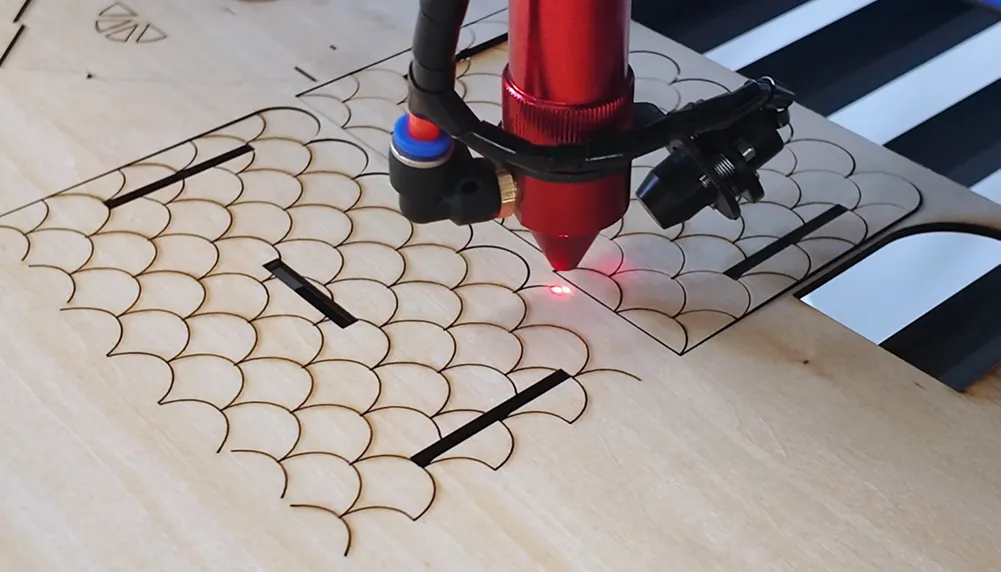
Third, laser cutting produces thermal damage to heat-sensitive fabrics. Laser belongs to thermal cutting technology, which will scorch synthetic fibers, melt spandex and printed coatings, leaving yellow burnt edges and irritating smoke. Garments cut by laser need extra edge sealing and trimming procedures, adding secondary labor costs. Laser machines also cannot cut thick multi-layer fabrics evenly, and the cutting area is limited for large cloth rolls.
Fourth, traditional cutting devices lack integrated multi-function and fast sample making ability. Manual and die cutting equipment only support single cutting functions without built-in inkjet marking and pattern drawing modules. Factories need separate machines for pattern drafting, marking and cutting, occupying large workshop space and extending the whole pre-production cycle. It is hard for traditional equipment to respond to fast fashion small-batch orders with frequent style updates.
Traditional Cutting VS CNC Vibrating Knife Cutter: Unique Advantages for Textile Processing
Equipped with high-frequency oscillating blade cold cutting technology and large vision camera positioning system, CNC vibrating knife cutting machine integrates inkjet marking, pattern drawing and automatic cutting as one unit, completely solving all pain points of traditional garment cutting processes. Its core competitive advantages are as follows:
- Zero mold expense and ultra-fast sample turnaround. The machine supports direct import of CAD, DXF and AI design files without custom metal dies. Factories can finish pattern marking and fabric cutting within minutes for new custom styles, greatly shortening sample delivery time and perfectly adapting to fast fashion small-batch customized orders.
- Sub-millimeter cutting precision and intact fabric structure. The positioning accuracy reaches ±0.05mm. High-speed vibration blades contact textiles for an extremely short time without squeezing or stretching fibers. All cut garment pieces maintain uniform dimensions, smooth fray-free edges without scorching, deformation or coating peeling, significantly lowering defective product rates.
- Dramatic labor reduction and multiplied production efficiency. The built-in vision system automatically identifies fabric outlines and generates intelligent optimal nesting paths. One operator can manage multiple cutting machines simultaneously, replacing 5–9 manual cutting workers. The integrated inkjet, drawing and cutting workflow runs fully automatically, with processing speed 4–7 times faster than manual operation, greatly lifting daily factory output.
- Higher fabric utilization and reduced raw material loss. Intelligent nesting software automatically arranges garment patterns to maximize textile usage, cutting fabric waste by over 15% compared with manual, die and laser cutting. The vision module can automatically avoid fabric stains, holes and printing defects, further reducing scrap loss of high-value fabrics like silk and microfiber.
- All-in-one multi-functional design saves workshop space. The cutting head supports optional inkjet pen, marking tool and oscillating knife, realizing pattern drawing, size marking and cutting on the same equipment. Factories no longer need separate drafting machines, effectively saving workshop area and simplifying production flow.
- Simple operation and low maintenance cost. Visual graphic operation panel is easy to learn; new staff without professional cutting experience can master complete operation procedures within 30 minutes. Blade replacement and daily cleaning work are simple, and vulnerable spare parts have long service life, requiring little daily maintenance investment.
- Eco-friendly cold cutting suitable for all heat-sensitive textiles. Vibrating knife adopts pure physical cold cutting without high temperature, smoke or peculiar smell. No edge sealing or secondary trimming work is needed after cutting, saving post-processing labor hours and meeting global fast fashion environmental production standards.
Full List of Materials Suitable for Vibrating Knife Garment Cutting Equipment
This all-in-one digital cutting device covers almost all mainstream flexible materials widely used in apparel, handbag, shoe making and luggage industries, the complete applicable material list includes:
Natural textile fabrics: cotton, linen, silk, wool, denim, canvas, chiffon, flannel, knitted cloth
Synthetic & functional fabrics: polyester, nylon, spandex, oxford cloth, waterproof printed fabric, softshell composite cloth, non-woven fabric
Leather & synthetic leather materials: genuine cowhide, sheepskin, PU leather, PVC leather, microfiber leather, artificial suede
Shoe & bag auxiliary materials: EVA shoe foam, PU sponge lining, felt, rubber sheet, composite interlining, down fabric
Other soft processing materials: automotive interior cloth, furniture upholstery fabric, adhesive back textile, lightweight composite fiber cloth
Physical Characteristics of Applicable Fabrics & Matching Vibration Cutting Logic
Each textile material has exclusive physical traits, and the vibrating knife cutter automatically adjusts vibration frequency, cutting depth and blade pressure to match different material features, avoiding common processing defects of traditional cutting:
- Cotton, linen and knitted fabrics: interwoven fiber structure, soft and easy to stretch under extrusion. High-frequency vibration blade instantly severs fiber threads without pulling, preventing edge fraying and size deformation, keeping neat cutting outlines for garment splicing.
- Silk, chiffon thin fabrics: ultra-light thin texture, fragile fiber structure prone to tearing. Low-amplitude gentle vibration cutting reduces cutting force, protecting thin fabric from breakage and maintaining complete printed patterns.
- Polyester, spandex coated fabrics: synthetic elastic fiber with surface printing layer, easy to melt and peel under laser heat. Cold vibration cutting produces no thermal damage, retaining bright printing color and intact coating without peeling.
- Denim, canvas thick textiles: dense thick fiber layers with strong tensile force. Medium-frequency vibration blade penetrates multi-layer cloth at one time without incomplete cutting, vertical cutting edges stay flat without burrs.
- PU leather, microfiber suede: soft texture with surface finishing layer, easy to stick to metal cutting tools. Short contact time of oscillating blade reduces friction adhesion, keeping leather surface smooth without scratch or coating loss.
- EVA foam, composite interlining: porous elastic structure, easy to be compressed and layered by die stamping. Vibration cutting realizes one-time penetration without squeezing foam layers, retaining original thickness and elasticity for shoe and bag lining.
Conclusion
For garment, handbag and shoe material processing factories, upgrading traditional manual, die and laser cutting to integrated CNC vibrating knife cutting equipment is an effective solution to solve high labor cost, low sample efficiency, serious fabric waste and thermal damage defects. This intelligent cutting machine combines inkjet marking, pattern drawing, vision positioning and cold vibration cutting technologies, covering most mainstream clothing and luggage flexible materials. It optimizes the whole pre-production workflow, shortens order delivery cycles significantly and brings obvious economic and production benefits for all sizes of textile factories. If you are seeking automatic multi-functional cutting equipment to upgrade your production line for fast fashion customization, feel free to contact us to inquire about detailed machine parameters and real production workshop cases.