High-end bespoke suit studios and custom garment factories face prominent production barriers when processing wool suiting, canvas interlining and mixed auxiliary materials. Traditional manual cutting, metal die stamping and laser cutting cannot meet the demand of fast small-batch sampling, synchronous multi-layer cutting and consistent high-precision tailoring. This article sorts out core industry pain points of conventional suit cutting technologies, compares comprehensive performance gaps between traditional crafts and intelligent CNC vibrating knife cutting machines, lists all special fabrics and interlining materials for suit making, and analyzes the physical characteristics of each material and matched cutting logic for tailor workshop reference.
Core Industry Pain Points of Traditional Cutting for Bespoke Suits
First, manual cutting consumes massive labor and time for multi-layer mixed suit materials. Professional tailors need to lay, align and cut wool fabric, canvas and horsehair interlining separately by hand. When stacking 10–15 layers of suit materials, manual cutting produces large dimensional errors up to 2–4mm, resulting in uneven shoulder lines, irregular lapels and inconsistent chest shaping, which seriously damages the uniform texture of high-end custom suits. The whole cutting workflow takes several hours for one small order, delaying sample delivery and failing to capture urgent custom orders. Meanwhile, manual layout relies on workers’ experience, wasting high-value wool, cashmere and canvas interlining, raising long-term raw material costs.
Second, die stamping cutting cannot support frequent style iteration for personalized suit orders. Every new bespoke suit pattern requires customized metal cutting dies with high manufacturing fees and a production cycle of 3–7 days. If clients adjust suit silhouettes, change fabric textures or replace interlining combinations, factories must rework dies repeatedly, adding extra expenditure and extending order lead time. In addition, die stamping applies strong extrusion force on stacked multi-layer suit materials, compressing elastic horsehair canvas and causing fiber dislocation, interlayer sliding and edge fraying; thick mixed wool interlining cannot be fully cut through by standard dies, leading to high defective rates of suit core parts such as chest linings and collars.
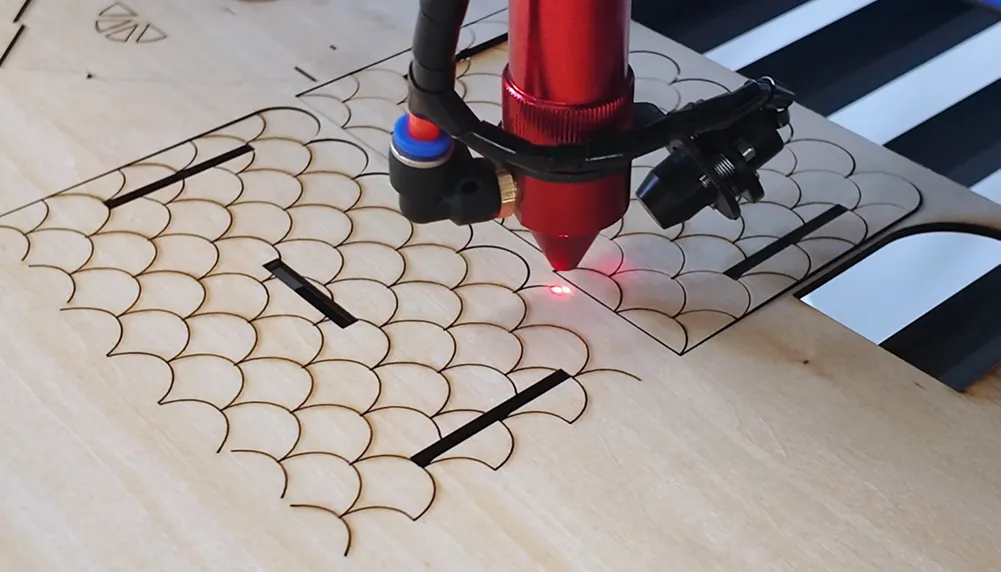
Third, laser thermal cutting causes irreversible damage to wool and canvas interlining. Laser relies on high temperature to melt textile fibers, which will scorch wool cashmere fabric, burn glue layers on fusible interlining and harden canvas edges. Burnt sections lose soft drape and elasticity, destroying the natural three-dimensional shaping effect of bespoke suits. Laser equipment lacks automatic color separation and multi-layer synchronous cutting functions; workers have to cut single layers one by one, greatly lowering overall processing efficiency for mixed suit materials.
Fourth, traditional cutting devices lack intelligent automatic nesting and color separation functions. Manual and die cutting equipment only realize single-layer cutting without built-in optimized layout algorithms. Workers need to manually separate different color fabrics and interlining materials, arrange patterns repeatedly, and spend extra time fixing loose stacked layers to avoid shifting. The whole pre-cutting process is tedious and fragmented, unable to realize one-step automatic processing for mixed multi-layer suit raw materials.
Traditional Cutting VS Intelligent CNC Vibrating Knife Cutter: Exclusive Advantages for Bespoke Suit Processing
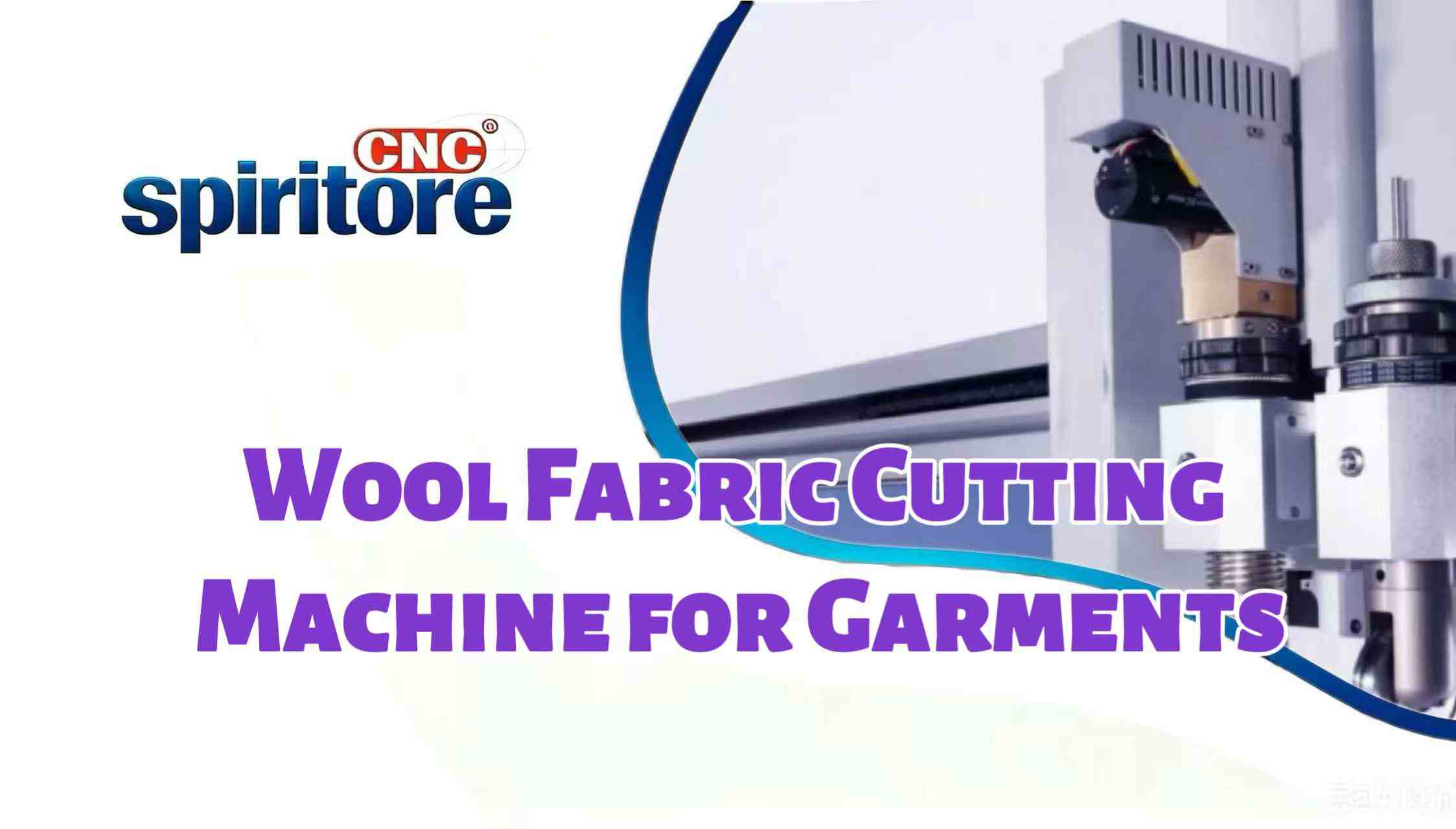
Equipped with high-frequency oscillating cold cutting technology, vacuum adsorption table and AI intelligent nesting system, the CNC vibrating knife cutting machine perfectly solves all bottlenecks of traditional bespoke suit cutting, its core competitive advantages are as follows:
- Single-layer automatic color separation & multi-layer synchronous mixed cutting. The machine supports automatic identification of fabrics in different colors and categories, realizing separate cutting for single-layer wool face cloth, and synchronous mixed cutting for stacked 1–15 layers of canvas, horsehair interlining and auxiliary materials at one time. Vacuum adsorption tightly fixes all stacked layers to prevent sliding during high-speed cutting, ensuring uniform size for every suit cut piece from top layer to bottom layer.
- Zero die cost and ultra-fast small-batch sampling turnaround. Directly import CAD pattern files without custom metal dies. New bespoke suit styles can finish full fabric and interlining cutting within dozens of minutes, shortening sample development cycle by over 60% and perfectly handling urgent small customized orders with frequent style updates.
- Cold physical cutting without thermal damage to premium suit materials. Different from laser hot cutting, vibrating knife uses pure mechanical vibration to separate fibers without generating high temperature. Wool, cashmere and canvas interlining retain original soft elasticity and drape, no burnt edges, hardened fibers or glue layer melting, fully preserving the three-dimensional shaping performance of high-end suit interlining.
- Dramatic labor reduction and multiplied cutting efficiency. One operator can manage multiple cutting machines simultaneously, replacing 6–10 professional manual tailors. The integrated workflow of automatic color separation, intelligent nesting and multi-layer cutting runs without manual intervention, processing speed is 5–8 times faster than manual operation, greatly lifting daily output of bespoke suit workshops.
- AI intelligent nesting reduces waste of high-grade suit fabrics. Built-in optimized layout software automatically arranges suit patterns to maximize utilization of expensive wool and canvas interlining, cutting raw material loss by more than 18% compared with traditional cutting ways. The system can automatically avoid fabric stains, holes and uneven weaving areas, further saving costly suit textiles.
- Simple operation and low daily maintenance threshold. Visual graphic operation panel is easy to master; new workshop staff without professional tailoring experience can finish complete operation procedures within 30 minutes. Blade replacement, table cleaning and vacuum system maintenance are simple, and vulnerable spare parts have long service life with little daily maintenance investment.
- Adaptive cutting parameters for all suit materials. The machine automatically adjusts vibration frequency, cutting depth and blade pressure according to different physical traits of wool, canvas, horsehair and fusible interlining, realizing smooth one-time penetration of 15 thick mixed layers without incomplete cutting, fiber tearing or interlayer dislocation.
Full List of Materials Suitable for Vibrating Knife Bespoke Suit Cutting Equipment
This intelligent multi-layer digital cutting device covers all main fabrics and interlining auxiliary materials widely used in high-end bespoke suit, formal coat and men’s custom apparel industries, the complete applicable material list includes:
Wool suit shell fabrics: wool suiting, cashmere blend fabric, worsted wool, tweed, wool silk mixed cloth, wool linen blended textile
Suit canvas & structural interlining: linen canvas, horsehair canvas, black carbon interlining, half canvas interlining, full canvas interlining, cotton chest interlining, fusible adhesive interlining
Thin auxiliary lining materials: silk lining, polyester pocket lining, cotton underlining, knitted shoulder pad cloth
Soft padding materials: wool shoulder pads, EVA foam shoulder inserts, PU sponge collar padding, felt reinforcement strips
Other tailor processing materials: leather trims, soft woven tape, composite bonding cloth, lightweight fiber reinforcement sheets
Physical Characteristics of Bespoke Suit Materials & Matching Vibration Cutting Logic
Each fabric and interlining used for custom suits has unique physical properties, and the vibrating knife cutter intelligently adjusts cutting parameters to match material features, eliminating all common processing defects of traditional cutting:
- Worsted wool, cashmere suit fabrics: dense fine fiber structure, soft drape and weak anti-extrusion performance. High-frequency vibration blade instantly severs wool fibers without pulling or stretching cloth surface, preventing edge fraying and size deviation, maintaining smooth suit lapel and shoulder outlines.
- Linen canvas & horsehair interlining: woven elastic fiber structure with strong rebound, easy to shift and delaminate under extrusion force. Vacuum table locks all layers tightly, medium-frequency vibration blade cuts vertically with tiny pressure, protecting interlining elastic structure without dislocation, retaining the natural three-dimensional shaping effect of suit chest.
- Fusible adhesive interlining: surface coated with hot melt glue layer, easy to melt and stick to cutting tools under laser heat. Cold vibration cutting produces no thermal damage, glue layer stays intact without overflowing or peeling off cut edges.
- Multi-layer mixed stacked materials (up to 15 layers): composite superposition of wool, canvas and foam padding, thick and layered. Adjustable blade penetration realizes one-time full cutting through all layers, no residual uncut fibers between layers, vertical cutting edges stay flat and neat.
- Silk thin lining cloth: ultra-light thin fiber texture, fragile and easy to tear under strong cutting force. Low-amplitude gentle vibration cutting reduces cutting resistance, protecting thin silk lining from breakage and keeping complete pocket pattern outlines.
- Wool shoulder pad & EVA foam padding: porous elastic structure, prone to compression deformation during die stamping. Vibration cutting penetrates foam layers without squeezing, retaining original thickness and elasticity for suit shoulder shaping.
Conclusion
For high-end bespoke suit studios and custom garment factories, upgrading traditional manual, die and laser cutting to intelligent multi-layer CNC vibrating knife cutting equipment is an efficient solution to solve heavy labor input, slow small-batch sampling, serious premium fabric waste and thermal damage defects. This intelligent cutting machine integrates automatic color separation, AI intelligent nesting, vacuum fixing and cold vibration cutting technologies, compatible with all mainstream wool fabrics and canvas interlining materials for suit making. It simplifies the whole pre-production cutting workflow, drastically shortens custom order delivery cycles and brings remarkable labor and material cost savings for tailoring workshops of all sizes. If you are seeking multi-layer high-efficiency automatic cutting equipment to upgrade your bespoke suit production line, feel free to contact us to inquire about detailed machine parameters and real tailor workshop application cases.