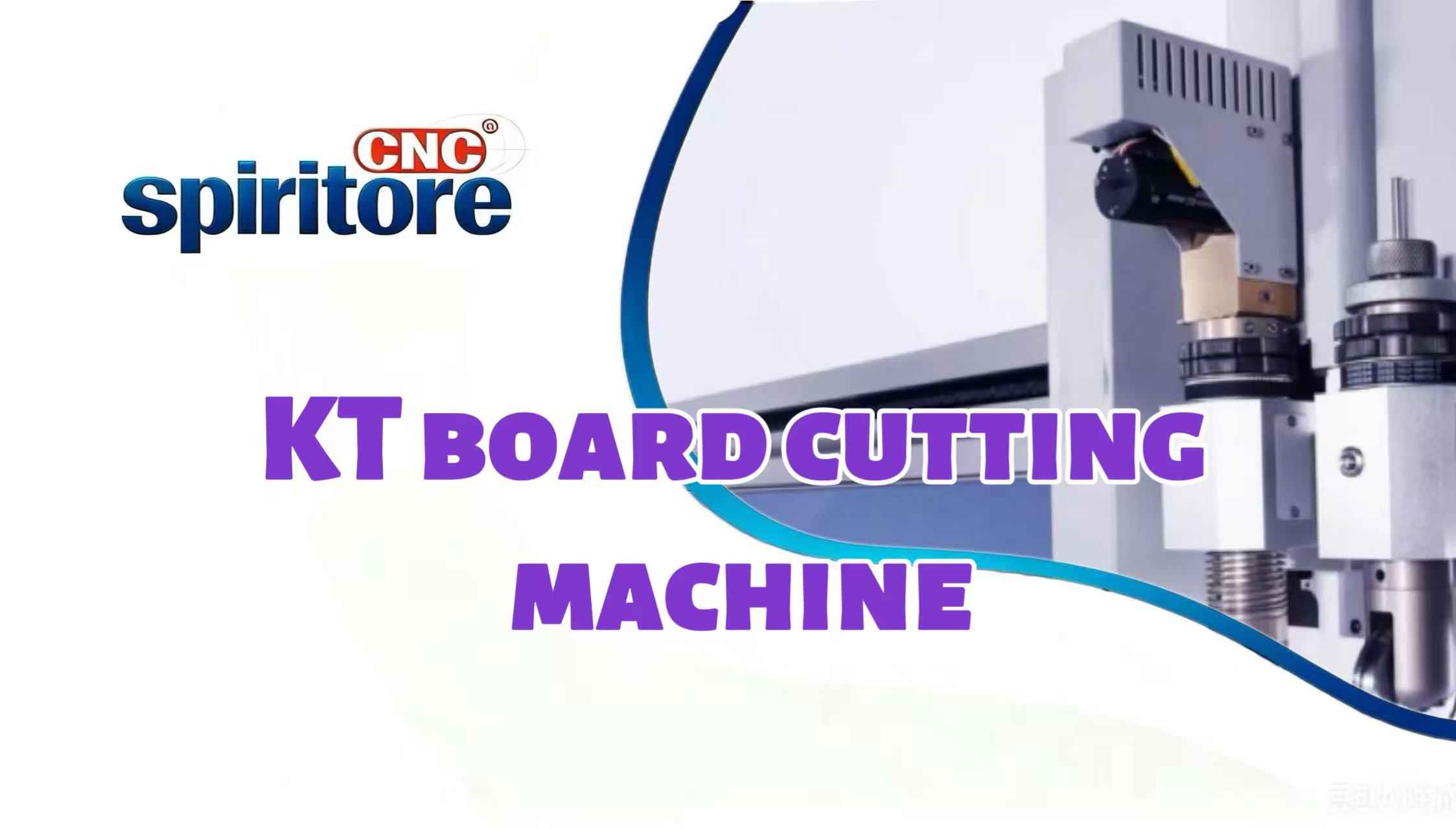
Many operators in advertising production, display manufacturing and model building have long struggled with outdated cutting processes. Manual cutting, fixed die cutting and low-precision laser cutting remain mainstream traditional processing methods, yet they bring consistent production troubles that restrict business expansion and profit growth. This article sorts out all core pain points of traditional cutting, compares performance with CNC vibrating knife cutting technology, lists all applicable cutting materials and analyzes their physical characteristics, helping you pick the optimal cutting equipment for your workshop.
Core Industry Pain Points of Traditional Cutting Technology
Hand cutting with utility knives and rotary cutters is the most common processing way for small advertising workshops. Workers rely on personal experience to trace patterns on KT board, foam and leather, and the cutting quality differs greatly between different operators. Complex curved patterns are hard to shape neatly, with jagged, rough edges that require secondary trimming, greatly extending processing time. Skilled workers cost high salaries, and new staff need months of training to reach basic production standards, bringing labor cost pressure all year round.
Fixed die cutting needs customized metal molds according to each product shape. The mold manufacturing cycle is long and the production cost is high. Once customers modify design patterns, old molds become completely useless and cause huge material and capital waste. Die cutting can only finish simple regular shapes, and fine complex patterns cannot be produced accurately. During stamping, materials are easily squeezed, deformed or layered, leading to a high defective rate.
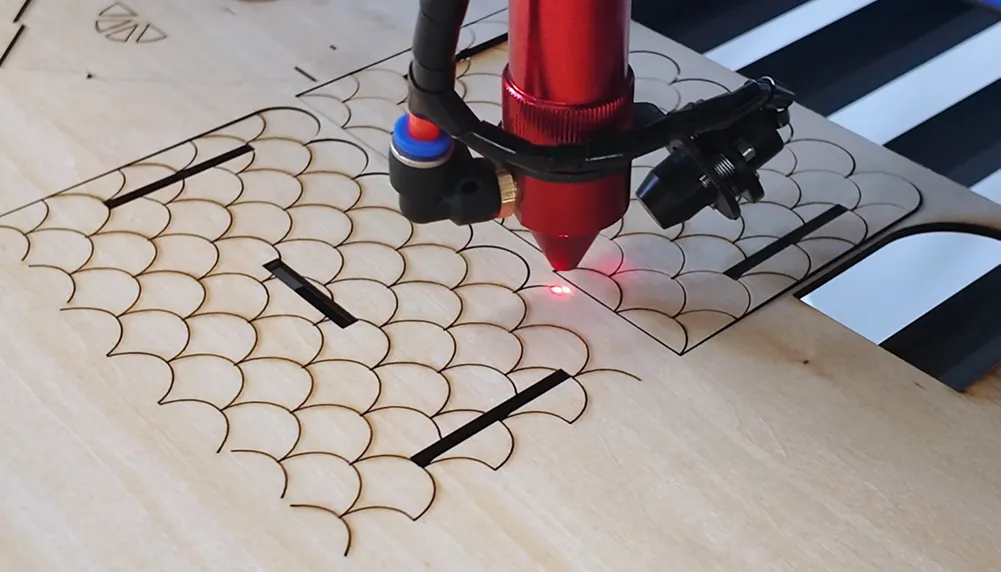
Ordinary laser cutting brings thermal damage to most flexible and foamed materials. High-temperature laser beams carbonize and scorch cutting edges, making foams hard and brittle, while PVC and vinyl materials release toxic smoke during cutting, which harms workshop environment and staff health. Laser equipment cannot process thick soft boards smoothly, and the thermal deformation ruins finished product appearance.
All traditional cutting modes have obvious material waste problems. Manual drawing and die layout cannot maximize raw material utilization, leftover scraps cannot be reused, and long-term waste accumulates to form invisible production costs. Besides, traditional cutting equipment cannot support fast small-batch customized orders, and the long switching cycle of patterns leads to delayed delivery and lost customer orders.
Traditional Cutting VS CNC Vibrating Knife Cutting: Key Advantages of Vibration Knife Equipment
Different from thermal cutting and extrusion stamping, CNC vibrating knife cutter adopts cold high-frequency vibration cutting technology, with tungsten carbide blades vibrating thousands of times per minute for physical slicing without high temperature and extrusion pressure. It perfectly solves all pain points of traditional cutting and forms comprehensive competitive advantages in production.
First, ultra-high cutting precision and smooth cutting edges. Equipped with high-precision CCD visual positioning system, the machine automatically patrols edges and identifies printed patterns, with cutting error controlled within ±0.08mm. No jagged burrs, layering or deformation on cutting sections, and finished products can be directly used without secondary polishing or trimming. Whether simple straight lines or intricate irregular curves, the equipment can restore design patterns 1:1, meeting high-standard requirements of high-end display signs and delicate hand models.
Second, remarkable production efficiency and zero threshold operation. One vibrating knife cutting machine can replace 4 to 6 manual cutting workers. After importing CAD, SVG design files into the control system, the equipment automatically generates cutting paths and runs unattended with vacuum adsorption workbench fixing materials to avoid displacement. Pattern switching only takes one minute, adapting to fast iteration of small-batch customized orders. The operation panel has visualized parameter adjustment, and new operators can master complete cutting operations within half an hour without professional drawing background.
Third, lower overall production cost and higher material utilization. Intelligent automatic nesting software optimizes layout paths to reduce leftover scraps, improving material utilization by over 15% compared with manual and die cutting. No need to customize expensive metal molds for different patterns, saving mold development and storage costs. Cold cutting process eliminates defective products caused by thermal damage and extrusion deformation, greatly reducing scrap loss rate. The whole cutting process produces no toxic smoke, and the workshop meets environmental protection standards without extra waste gas treatment equipment investment.
Fourth, wide material compatibility and flexible replaceable tool heads. Multiple interchangeable blade heads including vibrating straight knife, oblique cutting knife and milling cutter are equipped on one machine. Users can switch tool heads according to material thickness, hardness and processing demands to finish cutting, grooving and beveling operations at one time, covering almost all soft and semi-rigid materials used in advertising and model industries.
Complete List of Applicable Cutting Materials for Vibrating Knife Cutter
Advertising sign materials: KT board, PVC foam board, acrylic soft sheet, vinyl sticker, light box fabric, PET film, photo paper, corrugated cardboard, honeycomb advertising board, foam PVC.
Model building materials: EVA foam, high-density pearl cotton, XPS insulation foam, rubber sheet, sponge composite board, fiber cotton.
Leather & textile materials: artificial leather, genuine leather, canvas, non-woven fabric, felt, automotive interior cloth.
Composite & gasket materials: TPU film, silicone sheet, fiber composite, rubber gasket, foam tape, thin carbon fiber board.
Physical Characteristics of Main Processable Materials & Matching Cutting Logic
KT board: Light weight, low hardness, porous foamed interior, easy to crack under extrusion. Vibration knife adopts low-pressure high-frequency cutting to avoid board surface collapse, oblique knife for 45-degree bevel cutting of display frames.
EVA & pearl cotton: Elastic, soft, easy to deform under pressure, prone to edge stretching during manual cutting. Vacuum table fixes materials tightly, high-speed vibration slicing keeps edges flat without rebound deformation.
PVC foam board: Medium hardness, slightly brittle, will melt and turn black under laser high temperature. Cold vibration cutting retains original board texture without surface discoloration.
Leather & fabric: Fiber structure, easy to fray when cut manually. Rapid micro-vibration separates fiber layers cleanly without loose threads, no edge sealing treatment needed.
PET optical film: Ultra-thin, heat-sensitive, functional coating damaged by high temperature. Zero thermal cutting protects optical performance, no curling or carbonization on film edges.
Honeycomb board: Hollow sandwich structure, easy to split under stamping force. Adjustable vibration pressure cuts through surface and core layers evenly without internal separation.
Conclusion
Traditional manual cutting, die cutting and laser cutting cannot balance precision, efficiency, cost and environmental protection in modern customized advertising and model production. CNC vibrating knife cutting equipment relies on cold vibration cutting and intelligent digital control to thoroughly eliminate all common production pain points. It covers almost all mainstream soft and semi-rigid processing materials, with simple operation and stable finished quality, becoming the preferred cutting solution for advertising factories, model studios and display manufacturing enterprises. If you need customized cutting equipment matching your material types and workshop size, feel free to send us your processing demands for professional one-to-one consultation.