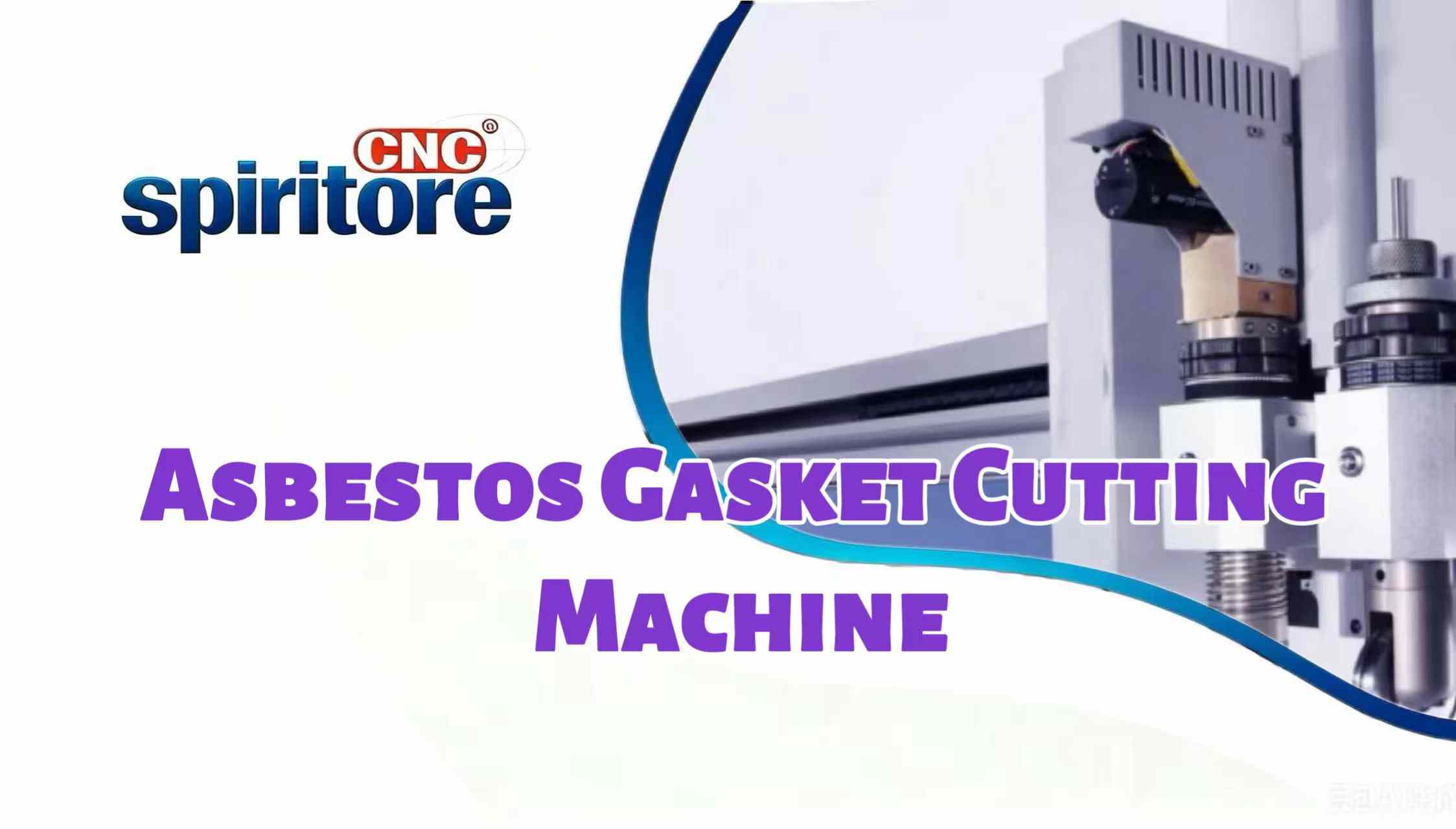
Factories manufacturing industrial flange, pipeline and equipment sealing gaskets face prominent production bottlenecks caused by outdated cutting solutions. Asbestos, rubber, graphite and PTFE gasket materials are mostly fibrous, elastic or heat-sensitive composite sheets, requiring complete edge flatness to guarantee tight sealing performance. Conventional cutting methods easily produce rough burrs, thermal carbonization, fiber flying and permanent compression deformation, leading to leakage risks after installation. These widespread industry pain points raise material scrap rate, increase mold investment, worsen workshop dust pollution and slow delivery of custom gasket orders.
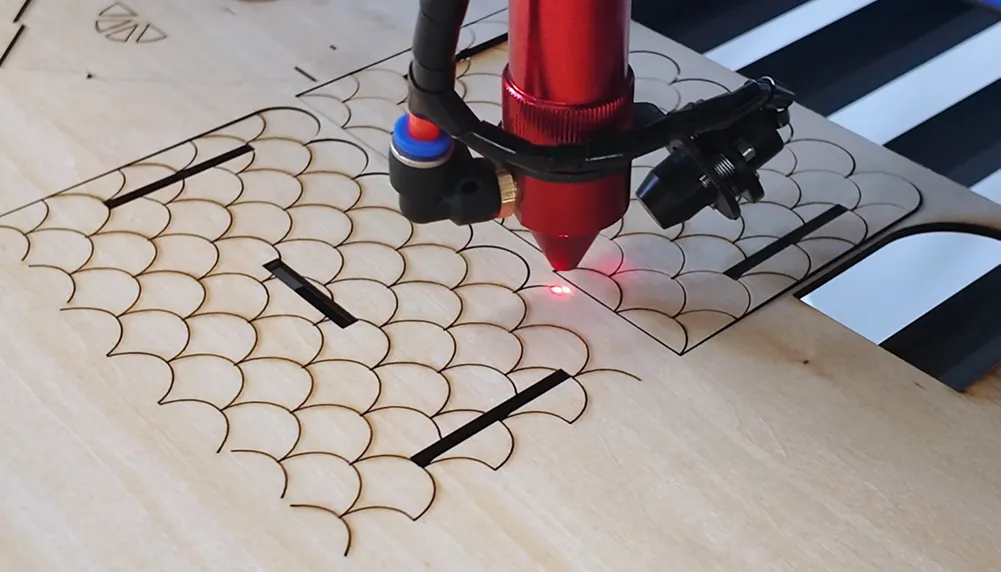
Three mainstream traditional gasket cutting technologies are widely used in sealing workshops, all with obvious inherent drawbacks unsuitable for fibrous asbestos and elastic rubber materials. Manual cutting fully relies on workers’ rulers and handheld cutting tools. Human positioning creates inconsistent dimensional errors, and forced tearing of fibrous asbestos generates massive flying harmful dust that endangers operator health. Complex multi-hole flange gaskets take extremely long processing time, and random manual layout wastes expensive sealing sheets without stable mass output. Fixed steel die cutting needs customized molds for every gasket outline and hole layout, bringing high manufacturing fees and long production lead times. Rigid stamping extrusion compresses rubber and asbestos fiber layers to form permanent indentations, which break the sealing flatness; one mold only matches a single specification, unable to respond quickly to multi-size small-batch customized orders. Laser cutting adopts high-temperature thermal separation, which carbonizes asbestos and rubber edges to form brittle carbon layers that cause pipeline leakage; cutting releases toxic smoke and asbestos fiber dust, failing environmental and occupational safety inspection standards.
Vibration knife cutting equipment with high-frequency cold cutting technology thoroughly eliminates all quality, cost and environmental defects of traditional gasket cutting crafts. The blade completes separation via tiny vertical vibration without heat generation, avoiding edge carbonization and fiber thermal damage, and greatly reduces flying asbestos dust compared with manual tearing. Cut surfaces stay smooth without burrs, perfectly meeting flatness requirements for industrial sealing. The machine realizes fully digital mold-free production, directly importing CAD gasket drawings to switch styles within minutes without any mold manufacturing expenditure. Equipped with intelligent automatic nesting software, the system arranges multi-hole gasket outlines compactly on raw sheets to significantly lift material utilization and cut raw material procurement cost. It supports long-term continuous automatic operation with simple one-click operation, one operator can independently complete feeding and cutting procedures to save labor input, freely processing arbitrary circular, rectangular and irregular multi-hole flange gaskets.
This multi-functional CNC vibration knife cutting machine covers all mainstream industrial sealing gasket raw materials widely applied in machinery, chemical and pipeline industries. Applicable materials include asbestos fiber composite gasket, non-asbestos sealing sheet, natural rubber gasket, silicone high-temperature resistant sheet, PTFE polytetrafluoroethylene plate, flexible graphite gasket, cork sealing mat, EPDM rubber sheet, fiber reinforced composite sealing board, foam insulation gasket, aramid fiber gasket, composite metal clad sealing sheet. Each material has unique fiber structure, elasticity and heat sensitivity that directly affect cutting and sealing quality, and the machine automatically adjusts cutting speed, vibration frequency and vacuum adsorption pressure to fit different thickness and texture.
Asbestos fiber composite gasket has loose interwoven fiber structure; manual tearing makes massive harmful dust fly, laser heat carbonizes fiber edges and loses sealing elasticity. Non-asbestos sealing sheet mixes inorganic fiber and binder, rigid die extrusion leaves permanent indentations on sealing surface. Natural rubber gasket owns strong rebound ductility, thermal laser cutting hardens edge rubber to cause installation gap leakage. Silicone high-temperature resistant sheet has stable heat resistance within limited range, long-time laser exposure makes surface brittle. PTFE plate has cold flow characteristic under pressure, die stamping creates permanent dimensional creep deviation. Flexible graphite gasket stacks thin flake layers, extrusion cutting leads to layer separation and graphite powder falling off. Cork sealing mat features natural porous texture, uneven cutting force breaks cork structure and generates debris. EPDM rubber sheet has outstanding weather resistance, high-temperature melting destroys molecular structure and weakens anti-aging performance. Fiber reinforced composite sealing board mixes hard fiber and soft substrate, rough cutting produces sharp hard fiber burrs. Foam insulation gasket has porous buffer structure, static mold pressure collapses internal pores and reduces heat insulation effect. Aramid fiber gasket has high tensile strength, thermal processing fuses fiber ends to form hard agglomerates. Composite metal clad sealing sheet bonds thin metal foil and fiber base, thermal cutting peels off metal surface anti-corrosion layer.
Different from traditional gasket cutting’s dust pollution, thermal damage, high mold cost and low material utilization drawbacks, vibration knife cold cutting separates sealing sheets through physical vibration without heat or strong extrusion harm to fiber and elastic substrates. Low-dust cutting mode improves workshop working environment and meets occupational health standards. Digital file switching realizes instant style replacement without mold waiting cycles. Intelligent compact nesting minimizes leftover sealing sheet waste and reduces long-term raw material expenditure. One single machine adapts all asbestos, rubber, PTFE and graphite gasket materials, removing repeated mold development fees for various flange sizes. Sealing manufacturers can finish sample trial cutting and continuous mass production on one workstation, lower defective gasket rate, pass environmental inspection easily and shorten customer order delivery cycle simultaneously.