Winter snow boots rely on composite raw materials such as fur integrated sheepskin, waterproof leather, thick textile lining and anti-slip rubber to achieve warm, waterproof and wear-resistant performance. Footwear factories processing snow boot uppers have long struggled with multiple processing defects caused by outdated cutting technologies. Fur integrated materials have dual structures of soft hair surface and dense leather base, while leather, cloth and rubber each carry unique physical traits that are sensitive to extrusion and high temperature. Conventional cutting easily damages plush, creates jagged edges, deforms waterproof coatings and produces massive defective shoe parts. These universal industry pain points increase material scrap rate, raise labor cost, slow sample development and weaken factory competitiveness in winter footwear market.
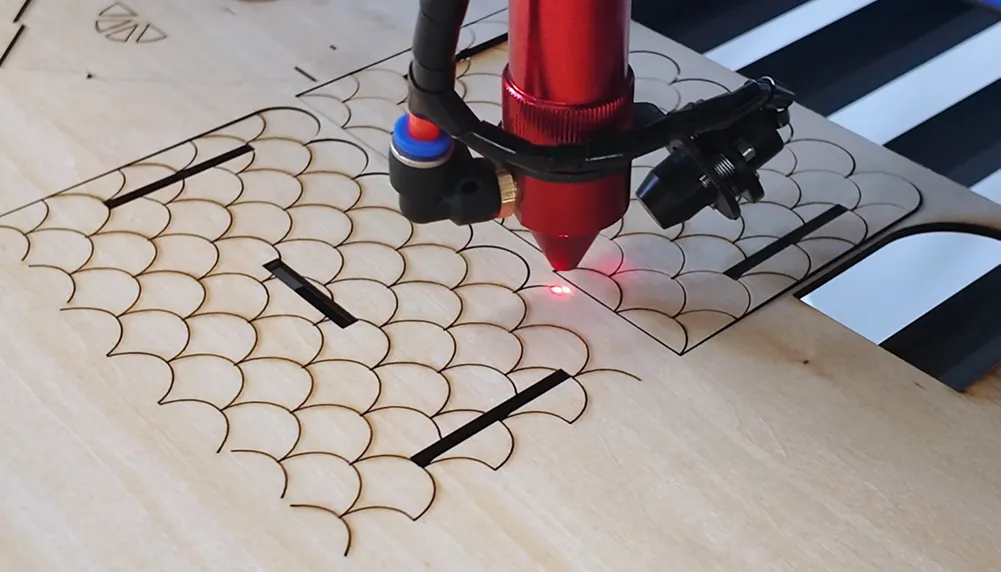
Three mainstream traditional shoe cutting methods are widely used in snow boot workshops, all with obvious inherent shortcomings unsuitable for multi-composite winter shoe materials. Manual cutting fully depends on skilled workers’ hand marking and handheld blades. Operators cannot balance cutting depth evenly on fur integrated sheepskin; shallow cuts leave unseparated leather base while deep cuts break plush and ruin product appearance. Uneven pulling force stretches waterproof leather and woven fabrics, resulting in inconsistent shoe sizes and messy frayed edges. Multiple workers are required for mass production, and long-time manual operation leads to fatigue and unstable cutting quality. Fixed steel die cutting needs customized molds for every snow boot style, bringing high mold fees and long opening cycles. Rigid stamping extrusion squeezes fur, leather and rubber simultaneously, causing plush flattening, leather indentation and rubber permanent deformation; one mold only fits single shoe outline and cannot quickly respond to multi-style small-batch custom orders. Laser cutting adopts high-temperature thermal separation, which scorches fur to turn yellow and brittle, melts leather waterproof coating and makes rubber harden; thick toxic smoke pollutes workshop environment and fails environmental inspection standards.
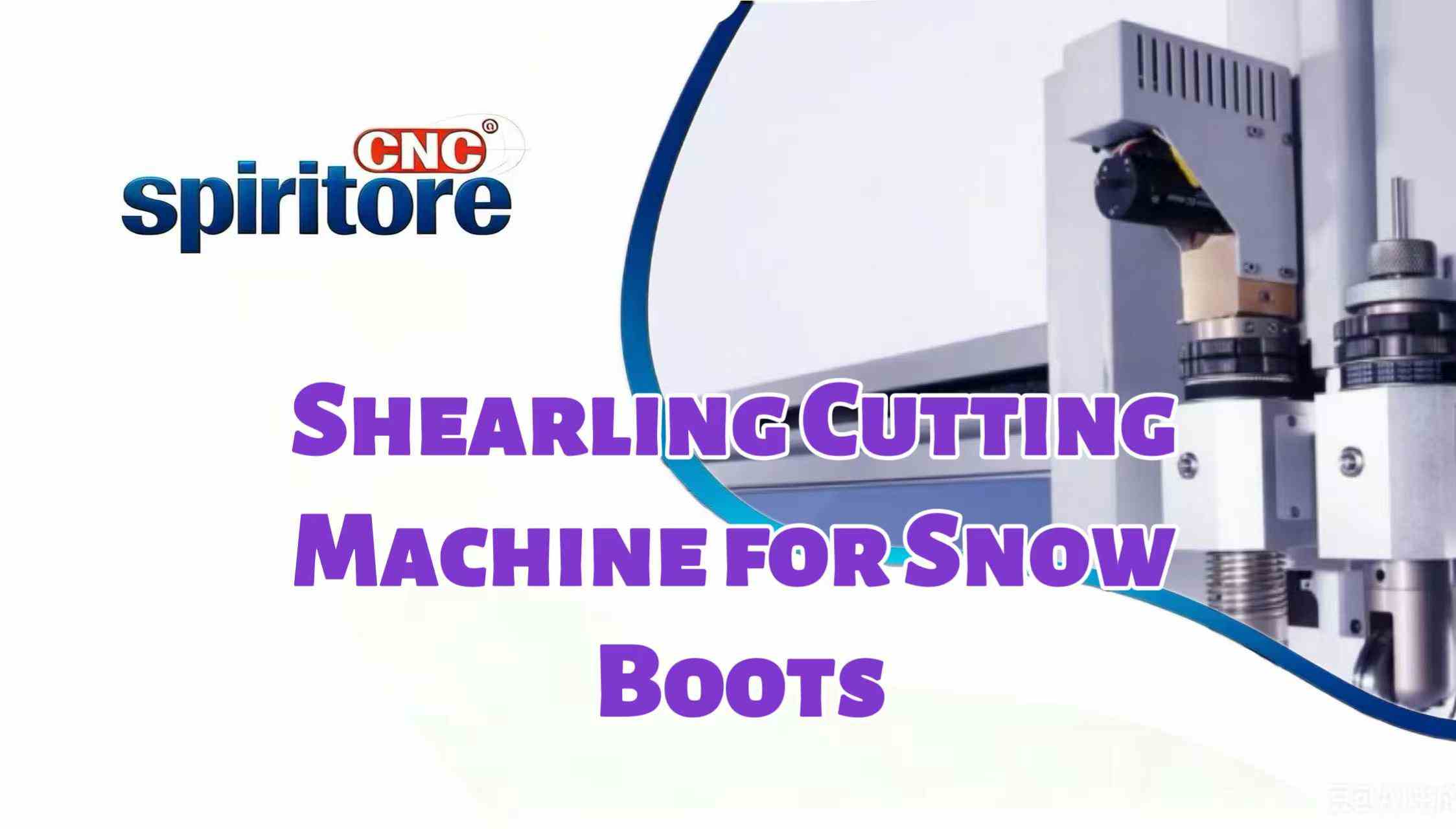
Vibration knife cutting equipment with high-frequency cold cutting technology thoroughly eliminates all processing flaws of traditional snow boot material cutting. The adjustable vibration blade precisely controls cutting depth, realizing clean separation of leather base without scratching or breaking the surface plush of fur integrated sheepskin. The whole cold cutting process generates zero heat, smoke and peculiar smell, completely protecting waterproof coating, textile fibers and rubber elasticity. Cut edges stay flat and uniform without burrs, perfectly matching the high appearance standard of fashion snow boots. The machine supports one-step cutting for fur, leather, cloth and rubber without frequent equipment replacement. Intelligent one-click operation reduces staff training cost, and continuous non-stop operation greatly boosts daily output. Equipped with automatic nesting software, it optimizes raw material layout to cut waste, shortening sample development and bulk order delivery time.
This multi-functional vibration knife cutting machine covers all mainstream raw materials used in snow boot manufacturing. Applicable materials include genuine fur integrated sheepskin, artificial faux fur lining, waterproof cowhide upper leather, PU waterproof synthetic leather, thick warm fleece fabric, canvas waterproof cloth, suede decorative shoe material, EVA foam inner pad, natural rubber anti-slip sole, soft latex interlayer, composite waterproof textile, microfiber shoe upper material. Each material has distinct physical structure and performance that affect cutting effect, and the machine automatically adjusts cutting speed, vibration frequency and down pressure to fit different thickness, softness and heat sensitivity.
Genuine fur integrated sheepskin owns fluffy outer hair and compact leather base; improper manual or die cutting breaks plush and leaves ugly bare spots, laser heat yellows hair and hardens leather plate. Artificial faux fur lining has dense short fibers, extrusion cutting tangles fluff and forms messy edge burrs. Waterproof cowhide upper carries oil-based waterproof film, high-temperature laser melts coating and loses water resistance. PU waterproof synthetic leather has thin polymer protective layer, stamping extrusion causes coating peeling off shoe surface. Thick warm fleece fabric features loose internal fiber structure, uneven cutting force pulls fibers to create long frays. Canvas waterproof cloth is woven with tight waterproof yarns, rigid die stamping stretches cloth and shifts printed patterns. Suede decorative shoe material has matte flocked surface, thermal cutting hardens suede and loses soft touch. EVA foam inner pad is light and elastic, static pressure mold cutting collapses buffer pores and reduces wearing comfort. Natural rubber anti-slip sole has strong toughness, thermal cutting makes rubber brittle and weakens anti-slip performance. Soft latex interlayer has high ductility, strong extrusion leads to permanent thickness shrinkage. Composite waterproof textile bonds fabric and waterproof film, traditional cutting triggers interlayer separation. Microfiber shoe upper material mixes fine fiber and resin, unadjusted blade pressure creates uneven cross-section and dimensional error.
Different from traditional cutting’s fur damage, thermal corrosion, high mold cost and low efficiency drawbacks, vibration knife cold cutting separates materials through tiny vertical high-frequency vibration without extrusion or heat harm to all snow boot composite raw materials. Precise depth control protects plush on fur integrated sheepskin, maintaining premium appearance of winter footwear. Intelligent nesting lowers scrap loss and cuts raw material expenditure. One single machine adapts all fur, leather, fabric and rubber shoe materials, removing repeated mold development cost for various snow boot designs. Footwear factories can finish sample trial and mass production on one workstation, stabilize finished shoe quality, cut labor and material cost and accelerate order delivery simultaneously.