Manufacturers producing printed leather shoes, designer handbags, printed leather upholstery and automotive leather interiors face severe production bottlenecks brought by outdated cutting technologies. Digitally printed leather carries delicate surface color patterns, and any offset, extrusion or high-temperature damage during cutting will ruin the complete decorative effect, leading to large batches of waste leather materials. These universal industry pain points include low pattern alignment accuracy, heavy labor input, slow order delivery, high mold development cost and unqualified finished products, which greatly restrict factory profit growth and market competitiveness in customized leather goods business.
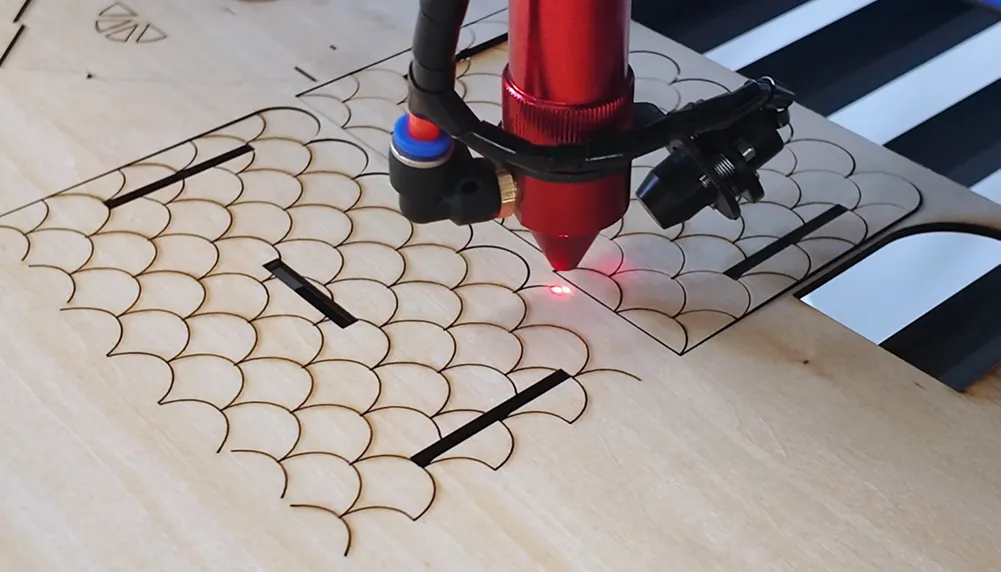
Three traditional cutting methods are widely used in printed leather workshops, all with obvious inherent flaws that cannot meet high-standard printed leather processing demands. Manual cutting relies entirely on workers’ visual calibration and hand-held cutting tools. Human eyes cannot guarantee consistent pattern alignment, resulting in uneven offset of printed graphics on each leather piece. Multiple workers are required to complete marking, positioning and cutting at the same time, consuming massive labor resources with extremely low daily output. Complex irregular printed leather parts take long processing time, and random manual layout causes serious waste of high-cost printed leather sheets. Fixed steel die cutting requires dedicated molds for every printed pattern and contour, with mold making cycles lasting 3 to 5 days and extra manufacturing fees. Rigid stamping extrusion force squeezes printed leather to stretch surface ink layers, causing pattern distortion and color blur; one mold only matches a single fixed shape, unable to respond quickly to small-batch multi-style customized orders. Laser cutting adopts high-temperature thermal melting separation, which scorches leather edges, fades printed ink patterns and destroys color fastness; thick toxic smoke generates during cutting, failing environmental inspection standards, and thermal shrinkage makes thin printed leather deform permanently.
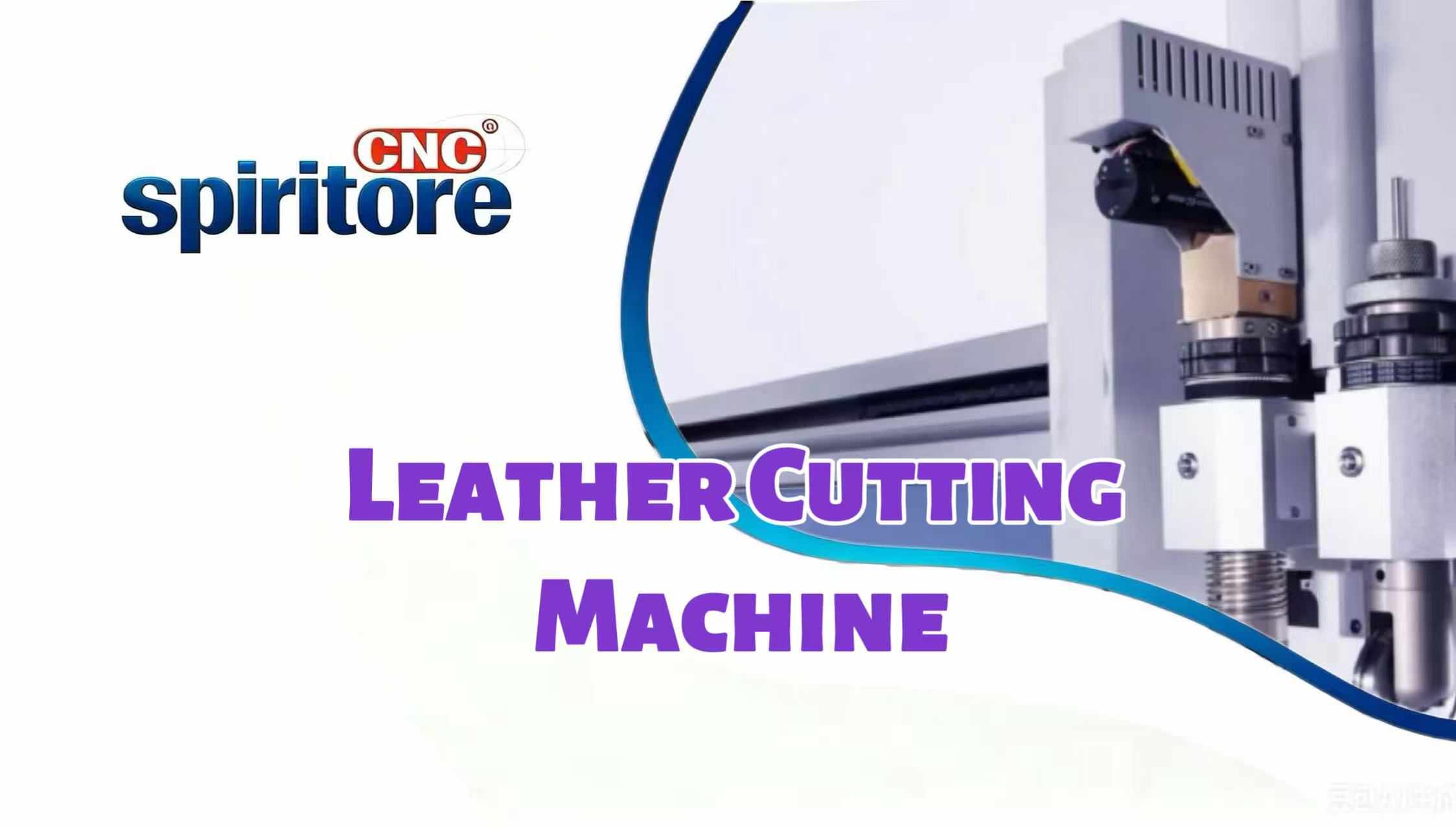
Vibration knife cutting equipment equipped with large-format visual photo scanning system completely eliminates all processing defects of traditional printed leather cutting crafts. The built-in high-definition camera quickly shoots and identifies printed patterns on leather surface, automatically extracts accurate cutting outlines and generates cutting paths without manual calibration, realizing zero-offset pattern cutting for all printed leather materials. The whole machine adopts physical cold vibration cutting mode without high temperature, extrusion or peculiar smell, which fully protects the surface printed ink layer, avoids color fading, pattern distortion and leather edge scorching, and complies with global environmental production standards. The equipment features high intelligent level and simple one-click operation; one single operator can finish all cutting procedures independently, greatly cutting labor time and labor expenditure for factories. Cutting speed is far faster than manual and die cutting equipment, and the visual positioning system supports arbitrary complex custom printed leather outlines, perfectly matching flexible production demands of shoe making, luggage, furniture upholstery and automotive interior leather products without repeated mold customization.
This multi-functional vision vibration knife cutting machine supports all mainstream printed leather raw materials widely used in leather goods, furniture and auto interior industries. Applicable raw materials include digital printed top grain cowhide, printed split leather, printed soft sheepskin, printed suede nubuck, printed PU synthetic leather, printed PVC faux leather, printed microfiber leather, embossed printed leather, oil-wax printed leather, composite printed leather, thin printed lining leather and thick printed furniture upholstery leather. Every printed leather material has unique fiber structure, surface ink coating and physical ductility that directly affect cutting and pattern retention effect, and the machine automatically adjusts cutting speed, vibration frequency and vacuum adsorption pressure to match different leather thickness, elasticity and printing layer firmness.
Digital printed top grain cowhide has compact natural fiber and complete surface printing layer; die extrusion leaves indentations and stretches ink patterns, laser heat burns natural grain and causes printing fading. Printed split leather lacks complete surface protective layer, uneven manual cutting force pulls fiber to form burrs and scratch printed graphics. Printed soft sheepskin is thin and highly flexible, strong static pressure from die stamping stretches leather to produce pattern displacement. Printed suede nubuck carries fluffed matte surface with printed pigment, high-temperature laser cutting hardens fluff and makes printed color lose luster. Printed PU synthetic leather has thin polymer printing coating, thermal processing melts ink layer to cause peeling and pattern missing. Printed PVC faux leather owns rigid plastic substrate, extrusion cutting leads to surface crack and printing layer falling off. Printed microfiber leather mixes fiber and resin base, improper cutting pressure creates uneven cross-section and partial printing wear. Embossed printed leather has concave-convex decorative grain covered with ink, thermal melting destroys embossed pattern details and printed color layers. Oil-wax printed leather contains surface wax protective film over printing ink, high temperature removes wax coating and weakens printing wear resistance. Composite printed leather is bonded by leather base and printed fabric layer, traditional extrusion cutting triggers interlayer separation and printing blur. Thin printed lining leather is ultra-thin and slippery, manual cutting shifts material constantly to form inconsistent pattern alignment. Thick printed furniture upholstery leather has dense thick fiber structure, unadjusted blade vibration parameters lead to incomplete cutting and incomplete printed contour.
Different from the pattern offset, high labor cost, thermal damage and high mold cost drawbacks of traditional printed leather cutting modes, vision vibration knife cold cutting separates leather fibers through tiny vertical high-frequency vibration without heat or strong extrusion harm to printed ink layers and leather base. Automatic photo scanning edge tracing eliminates all human positioning errors, ensuring uniform pattern alignment for every batch of printed leather finished pieces. Intelligent layout function optimizes raw material arrangement to reduce leftover leather waste and save procurement cost. One single machine adapts all above printed leather materials, removing repeated mold development and storage expenses for various leather product styles. Leather manufacturers can finish sample trial cutting and mass customized production on one workstation, shorten order delivery cycles, lower printed leather scrap rate, cut labor investment and stabilize printed pattern integrity of finished leather goods simultaneously.