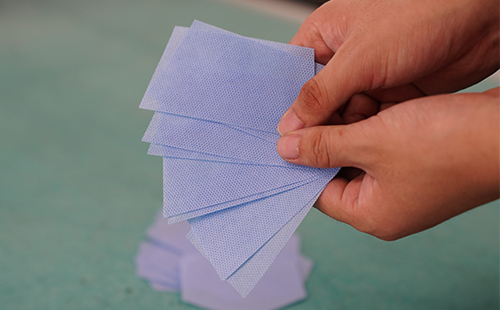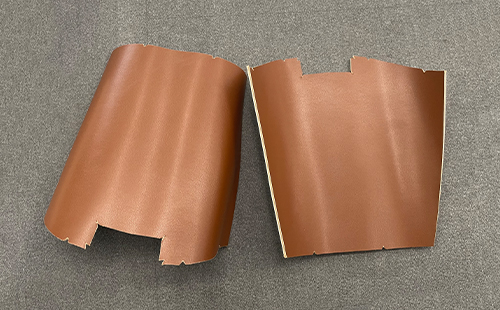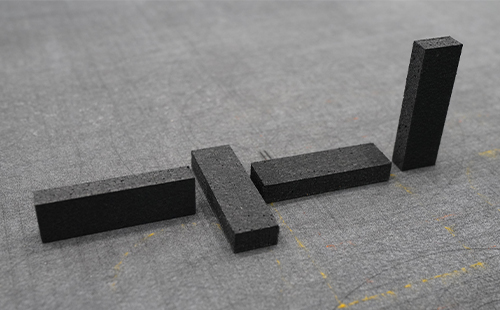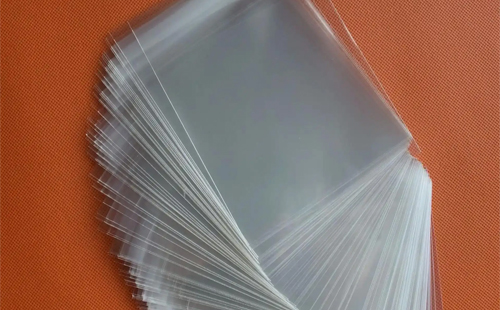
TPU (Thermoplastic Polyurethane) film is a versatile high-performance functional film material with excellent toughness, elasticity, waterproof and breathable properties. It is widely applied in modern manufacturing fields including footwear materials, medical supplies, automotive protection, outdoor equipment and packaging industries. From sports shoe air cushions and medical dressing waterproof layers to invisible car wraps and functional fabric composite layers, TPU film has become an indispensable core material for high-end product manufacturing.
However, the unique physical properties of TPU film bring great challenges to processing. Featuring soft texture, high toughness and super elasticity, TPU film is extremely sensitive to heat and external force. Traditional laser thermal cutting often causes burnt edges, yellowing, melting deformation and peculiar smell. Traditional die cutting requires expensive mold customization, long production cycles and poor flexibility, unable to adapt to modern customized and small-batch diversified production needs. At present, CNC oscillating vibration knife cold cutting machine has become the industry-recognized ideal solution for high-quality TPU film processing.
Core Difficulties and Challenges of TPU Film Cutting
Although TPU film has outstanding comprehensive performance, its special material characteristics make precision cutting extremely difficult, with several unavoidable processing pain points in traditional processes:
1. Easy Stretch and Displacement Deformation
TPU film has strong tensile elasticity. Under the extrusion pressure of cutting tools, the material is prone to stretching, shifting and warping, resulting in inconsistent dimensional accuracy of cut pieces and failing to meet the assembly standards of precision parts.
2. Extreme Thermal Sensitivity
TPU is a typical thermosensitive material. Any heat generated during cutting will cause film melting, edge hardening and self-adhesion. Especially for low-melting-point hot-melt TPU adhesive films, even slight tool heat will damage the material structure, directly affecting the waterproof, breathable and bonding performance of finished products.
3. Thin and Soft Texture, Difficult to Fix
With a thickness ranging from 0.1mm to 10mm, TPU film is thin, soft and lightweight. It is easy to wrinkle and shift during high-speed cutting. Ordinary fixing methods cannot stabilize the material, resulting in uneven cutting and high scrap rate.
4. Serious Adhesion and Wire Drawing Problems
Improper temperature and force control during processing will enhance the surface adhesion of TPU film, especially for back-adhesive TPU films such as invisible car wraps and protective films. Traditional cutting is prone to glue overflow and edge wire drawing, affecting the appearance and service performance of finished products.
5. Strict Precision Requirements for High-End Applications
As TPU film is widely used in high-precision fields such as medical devices, automotive accessories and high-end footwear, it has extremely strict standards for cutting dimensional tolerance and edge flatness. Traditional processing methods cannot achieve micron-level precision and flawless edge processing.
In summary, TPU film processing cannot rely on traditional thermal cutting and manual cutting methods. Only professional non-thermal high-precision cold cutting equipment can completely solve the above pain points and retain the original performance of TPU film.
Why CNC Vibration Knife Cutting Is the Best Choice for TPU Film
The CNC oscillating vibration knife cutting machine adopts pure physical high-frequency vibration cutting technology, completely avoiding the defects of thermal damage and mechanical tearing in traditional processing. It is highly targeted and adaptable for TPU film cutting, with core advantages as follows:
1. Zero Thermal Damage, No Burnt Edge or Yellowing
Different from laser thermal cutting, vibration knife cutting is a full-process normal-temperature cold cutting process. The high-frequency vibrating blade cuts materials purely physically without generating any heat. It completely eliminates common defects such as edge scorching, melting, yellowing and pungent toxic gas, fully retaining the original toughness, elasticity and functional properties of TPU film.
2. Ultra-Smooth Cutting Edge, No Wire Drawing or Glue Overflow
Equipped with high-sharp professional blades, the equipment drives the blade to vibrate up and down at tens of thousands of times per minute. The high-frequency vibration instantly cuts off the TPU film structure without squeezing or stretching the material. For back-adhesive TPU films, it effectively avoids glue overflow and wire drawing, ensuring neat, burr-free and smooth cutting edges for high-grade finished products.
3. Mold-Free Processing, Flexible Customization & Fast Delivery
No expensive mold customization is required. Operators only need to import design drawings in DXF, PLT, AI and other formats into the CNC control system, and the equipment can automatically complete full-automatic cutting. It perfectly adapts to multi-specification proofing, small-batch customization and large-scale mass production, greatly shortening production cycles and improving production flexibility.
4. Intelligent Nesting & High Material Utilization
Matched with professional intelligent nesting software, the system automatically optimizes cutting paths and compact layout according to the TPU film width and cutting shape. Compared with manual typesetting, the material utilization rate is increased by more than 15%, effectively reducing the waste of high-cost TPU film materials and lowering overall production costs.
Working Principle of Vibration Knife Cutting Machine for TPU Film
The processing of TPU film by vibration knife equipment is a precise and efficient integration of high-frequency physical cold cutting + CNC intelligent positioning, with zero heat generation throughout the whole process. The standardized working steps are as follows:
Step 1: Design Drawing Import
Import finished design files in DXF, PLT, AI and other common formats into the equipment control system, with no need for any physical mold production.
Step 2: Intelligent Automatic Nesting
The system intelligently optimizes the arrangement of multiple cut pieces, maximizes the use of film materials, and avoids material waste caused by manual unreasonable layout.
Step 3: High-Frequency Vibration Cold Cutting
Driven by a high-precision servo motor, the blade vibrates vertically at high frequency to complete physical cutting. The cutting process is smooth and labor-saving, without material tearing, stretching or thermal deformation. The whole cold cutting process completely protects the thermosensitive structure of TPU film.
Step 4: Finished Product Separation
After cutting is completed, the blade automatically resets and rises. The vacuum adsorption table releases suction, realizing easy separation of finished cut pieces and waste materials, with neat and uniform finished products.
Vibration Knife Cutter vs Laser Cutter for TPU Film Cutting
Many manufacturers are confused about choosing between vibration knife cutting and laser cutting for TPU film processing. There are essential differences in working principle, cutting effect, precision and cost between the two devices, especially for thermosensitive TPU materials:
1. Working Principle & Material Protection
The CNC vibration knife cutting machine adopts pure mechanical physical cold cutting without heat generation, which will not damage the internal structure and performance of TPU film. Laser cutting relies on high-temperature laser beam melting and gasification for thermal processing, which is very easy to cause edge melting, scorching and discoloration of TPU film, resulting in performance degradation and product scrapping.
2. Cutting Edge Quality
Vibration knife cutting delivers flat, smooth and burr-free edges without wire drawing or glue overflow. Laser cutting forms an obvious thermal influence area on the cutting edge, making the edge hard and brittle, which affects subsequent compounding, bonding and assembly use.
3. Material Adaptability
The vibration knife equipment has strong versatility, compatible with all kinds of TPU films, and can also process leather, fabric, sponge, EVA and other flexible materials to realize one machine for multiple purposes. Laser cutting has poor adaptability to thermosensitive films and is prone to processing defects.
4. Precision Control
Supported by industrial CNC servo system, the vibration knife cutting accuracy reaches ±0.1mm, with stable and consistent dimensional accuracy of finished products. Although laser cutting has high theoretical accuracy, the thermal deformation of TPU film leads to actual dimensional deviation and poor product consistency.
5. Environmental Protection & Safety
Physical cold cutting produces no smoke, peculiar smell or harmful gas, meeting environmental protection production standards. Laser thermal cutting will produce irritating smoke and harmful residues, requiring special exhaust and filtration equipment, which increases production costs.
6. Comprehensive Use Cost
The wearing parts of vibration knife equipment are only blades, with low replacement cost and simple manual replacement. Laser cutting equipment needs regular replacement of laser tubes, lenses and other core precision components, with high maintenance cost and professional operation required.
Conclusion
For thermosensitive, high-precision and high-quality required TPU film processing, CNC vibration knife cold cutting equipment has absolute advantages in cutting effect, material protection, environmental performance and comprehensive cost. It completely subverts the defects of traditional manual cutting, laser cutting and die cutting processes. With the continuous expansion of TPU film application scenarios in medical, automotive, footwear and outdoor industries, vibration knife cutting machines have become the mainstream intelligent processing equipment in the industry.
Upgrading to professional CNC vibration knife cutting equipment can effectively improve TPU film finished product quality, reduce material loss, shorten production cycle and realize standardized and intelligent automated production for manufacturing enterprises.