Overview & Processing Difficulties of Glass Wool Material
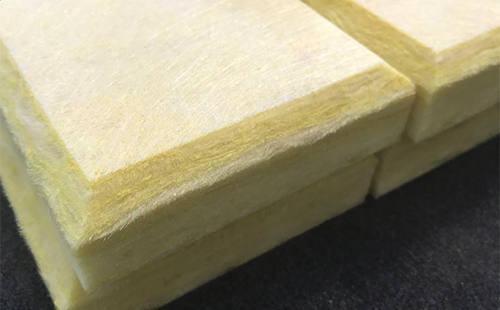
Glass wool belongs to a category of artificial glass fiber, made by melting glass into fibrous cotton-like inorganic fiber material. It has excellent moldability, ultra-light weight, outstanding thermal insulation and sound absorption performance, as well as strong chemical stability and corrosion resistance, which is why it is widely adopted in various thermal and acoustic insulation scenarios.
Nevertheless, glass wool’s fine fiber structure brings two major industrial processing challenges. First, suspended glass fiber particles are harmful to the human respiratory system, requiring minimal human contact during production. Second, traditional thermal and mechanical cutting methods inevitably produce massive flying dust, messy scraps, rough burr edges and structural damage, seriously affecting workshop environmental safety and finished product quality.
Traditional Glass Wool Cutting Methods & Their Core Defects
Industrial glass wool processing mainly relies on four traditional cutting technologies, all of which cannot balance cutting precision, environmental protection and production efficiency, restricting enterprise upgrading:
1. Manual Cutting
Workers use utility knives, scissors and handheld tools for manual blanking, which is only suitable for small-scale and temporary construction. The obvious drawbacks are low cutting accuracy, random dimensional errors, severely rough edges and serious material waste. It cannot support standardized and batch industrial production.
2. Circular Rotary Knife Cutting
High-speed rotating circular blades are mainly used for medium-thickness glass wool rolls within 50mm. During high-speed operation, the blade is prone to over-cutting, which easily tears the aluminum foil composite layer on the glass wool surface and causes massive fiber flying, resulting in poor finished edge quality and polluted workshop environment.
3. Laser Thermal Cutting
Laser cutting uses high-energy laser beams to melt and gasify glass wool for non-contact cutting with high theoretical precision for complex contours. However, the high-temperature thermal effect causes irreversible damage to glass wool: the cutting edge forms a thermal affected zone with yellowing, scorching and soft deformation, destroying the original thermal insulation and structural stability of the material. Meanwhile, laser processing produces harmful smoke and toxic gas, failing environmental protection standards. In addition, glass wool fibers are flammable, bringing potential fire hazards. Therefore, laser cutting is gradually eliminated in formal glass wool industrial processing.
4. Waterjet Cutting
High-pressure water flow cutting realizes zero thermal damage and dust suppression with neat cutting edges. But it has fatal limitations for glass wool processing. The equipment purchase and maintenance costs are extremely high, with frequent replacement of vulnerable parts such as high-pressure pumps and seals. A large amount of wastewater is generated during processing, bringing high sewage treatment costs. More importantly, water absorption increases glass wool weight, reduces thermal insulation performance, and requires additional drying procedures, extending production cycles and increasing energy consumption. It is only applicable to a small number of special temperature-sensitive and dust-free scenarios, unable to achieve large-scale industrial promotion.
In summary, traditional cutting methods have always failed to balance dust control, cutting accuracy, environmental protection and production efficiency. Modern glass wool processing enterprises are in urgent need of upgraded intelligent cold cutting technology to break through technical bottlenecks.
6 Core Advantages of CNC Oscillating Knife Cutting Machine for Glass Wool
The industrial oscillating knife cutting machine is driven by electromagnetism or pneumatic power, driving the blade to vibrate vertically at a high frequency of tens of thousands of times per minute. It adopts high-frequency micro-impact physical cold cutting to shear glass wool fibers smoothly, with comprehensive advantages far exceeding traditional processes:
1. Superior Cutting Quality, Burr-Free & Zero Flying Fiber
Pure physical cold cutting requires no high temperature, completely avoiding thermal deformation and scorched edges. The sharp blade cuts off internal fibers smoothly without tearing aluminum foil composite layers or surface coatings. The finished glass wool edge is flat, dense and burr-free without floating fine fibers. It effectively improves product tightness and appearance grade, eliminating secondary trimming procedures during on-site installation.
2. Eco-Friendly Processing, Low Dust & Zero Harmful Emissions
The whole cold cutting process produces no toxic gas, smoke or harmful exhaust. High-quality oscillating knife cutters are equipped with integrated negative pressure dust suction and self-cleaning systems, which collect tiny residual fibers from the source, control workshop dust concentration within safe standards, and greatly optimize the working environment to protect employee health.
3. High Precision & Strong Adaptability for Complex Shapes
Equipped with a high-stability CNC intelligent system and CCD visual positioning module, the equipment accurately restores CAD design drawings. It can freely process regular shapes such as rectangles, circles and arcs, as well as irregular special-shaped parts, with a cutting accuracy up to ±0.1mm. The precise splicing effect ensures fully tight fitting of thermal insulation materials, guaranteeing building sealing performance and overall aesthetics.
4. Fully Automatic Intelligent Production, Great Labor Saving
The whole processing flow including automatic feeding, precise positioning, continuous cutting and material collection is intelligently controlled without full-time manual supervision. A single worker can operate multiple devices simultaneously, greatly reducing enterprise labor investment and solving the problems of labor shortage and high labor costs in the insulation material processing industry.
5. Intelligent Nesting, Maximize Material Utilization
The professional supporting nesting software automatically optimizes the layout of glass wool parts, minimizes gaps and leftover materials, and reduces raw material waste by 10%-30% compared with manual layout. Long-term mass production can create considerable cost-saving benefits for processing enterprises.
6. Wide Thickness Adaptability & Multi-Material Compatibility
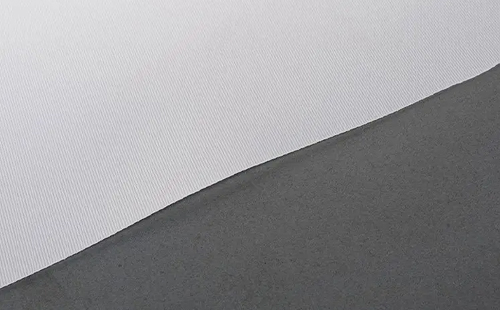
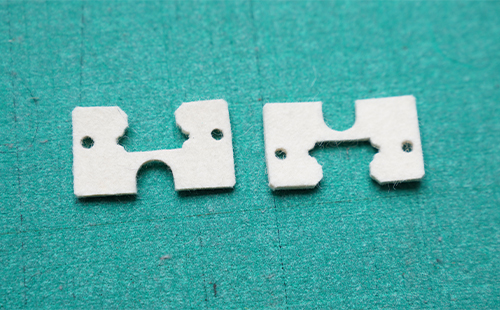
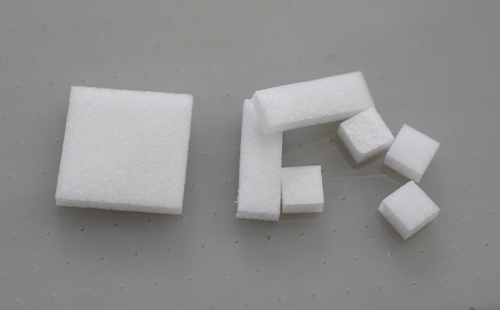
The equipment supports cutting glass wool products with a thickness below 110mm. By replacing different professional blades, it can also process XPS insulation boards, EPS foam, rubber gaskets, non-woven fabrics, leather and automotive interior flexible materials. One machine for multiple purposes effectively improves equipment utilization rate and reduces factory investment costs with a high return on investment.
Key Operation Notes for Glass Wool Oscillating Knife Cutting
Although oscillating knife cutting technology has obvious advantages in glass wool processing, standardized operation and daily maintenance are required to ensure long-term stable precision:
1. Professional Tool & Vibration Amplitude Matching
Glass wool with different thicknesses, densities and composite structures requires matched blade stiffness and vibration frequency. High-density and multi-layer composite glass wool needs high-rigidity blades and optimized amplitude parameters to avoid excessive cutting resistance, fiber pulling and incomplete cutting.
2. Regular Equipment Maintenance & Cleaning
Tiny glass wool fibers are easy to accumulate on cutting components, guide rails and vacuum adsorption systems during long-term operation. Operators need to conduct regular inspection and cleaning, and replace worn blades regularly according to usage frequency to maintain long-term high-precision and stable operation of the equipment.
3. Dual Protection of Dust Suction System & Labor Protection
Although the flying dust is greatly reduced compared with traditional processes, tiny fibers may still float during continuous high-volume production. It is recommended to equip the machine with an integrated high-power dust collection system, and operators need to wear protective masks and gloves to achieve double safety protection.
4. Reasonable Thickness Control & Pre-Production Trial Cutting
The maximum adaptable cutting thickness of glass wool is 110mm, and the adaptable thickness will decrease with the increase of material hardness. Enterprises need to arrange feeding plans reasonably according to product parameters and conduct trial cutting before mass production to verify cutting effect and avoid batch defective products.
Core Selection Guidelines for Glass Wool CNC Cutting Machine
When purchasing professional oscillating knife cutting equipment for glass wool processing, enterprises need to evaluate comprehensively from six key dimensions to select cost-effective and stable equipment:
1. Manufacturer R&D Strength
Priority should be given to brands with independent R&D of CNC control systems and complete production processes. Professional manufacturers can provide stable equipment performance and long-term technical iteration and after-sales upgrade support.
2. Dust Suction & Vacuum Adsorption Configuration
Ensure the equipment is equipped with a high-stability vacuum adsorption platform and optional matched dust collection device to effectively fix light glass wool materials and completely prevent fiber floating and dust overflow.
3. Cutting Precision & Operating Speed
Qualified insulation cutting equipment needs to reach ±0.1mm high precision, equipped with high-speed servo motors and mature control algorithms to meet the efficient and stable output requirements of large-scale flexible production.
4. After-Sales Service & Spare Parts Supply
Inspect whether the supplier can provide timely spare parts supply such as blades and electrical control components, as well as rapid remote debugging and on-site maintenance services to avoid production suspension caused by equipment failure.
5. Comprehensive Cost Performance Evaluation
The market price of mid-to-high-end CNC oscillating knife cutting machines ranges from 80,000 to 200,000 RMB. Enterprises can evaluate according to daily order volume and investment cycle. Under normal production conditions, the equipment investment can be fully recovered in about one year with obvious cost-saving benefits.
6. Industry Application Cases
Verify the supplier’s actual application cases and user feedback in the fields of glass wool, thermal insulation cotton and composite material processing, and evaluate the equipment’s practical operability and long-term operational stability in industrial scenarios.
Conclusion
Compared with all traditional cutting processes, CNC digital oscillating knife cold cutting technology has comprehensive advantages in cutting precision, environmental protection effect, production efficiency and material utilization rate, and is the most ideal solution for current glass wool processing difficulties. It solves industrial pain points such as flying dust, burnt edges, low precision and serious waste, helping insulation material processing enterprises optimize production environments, reduce comprehensive costs and improve product market competitiveness.
If you are facing processing bottlenecks in glass wool and thermal insulation material production, you can consult professional CNC cutting equipment manufacturers. We can customize exclusive intelligent oscillating knife cutting solutions according to your actual material thickness, density and batch production needs.