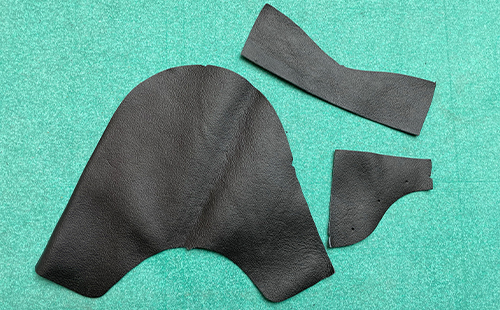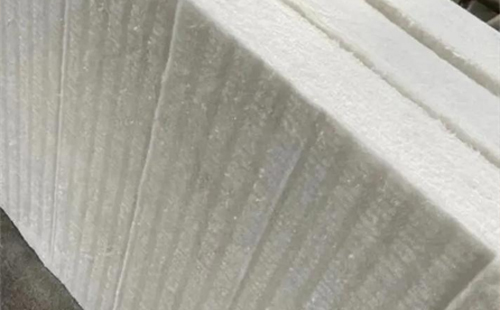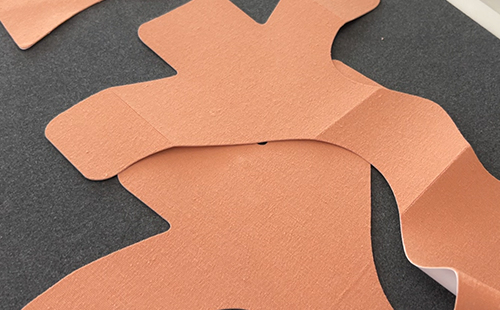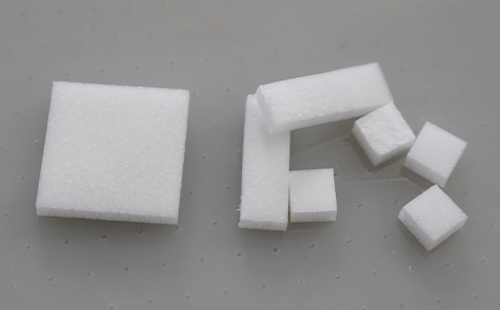
Medical sponges cover multiple categories such as PVA hemostatic sponges, polyurethane medical foam, dressing sponges and freeze-dried collagen sponges, widely applied in wound dressings, emergency hemostasis, medical equipment buffer protection and nursing gaskets. As medical consumables in direct human contact, medical sponges have extremely strict processing requirements: flat and clean cutting edges, zero fiber and residue shedding, unchanged physical and chemical properties, minimal dimensional errors, and flexible adaptation to multi-specification irregular parts and mixed batch production. Many medical processing factories have long been troubled by cutting deformation, burrs, debris contamination and high production costs.
Core Pain Points of Traditional Medical Sponge Cutting Processes
Medical sponges feature soft elasticity, porous structure and high hygiene requirements. Conventional cutting methods cannot meet medical-grade clean production standards, with prominent quality risks and low production efficiency:
1. Manual Cutting: Severe Debris, Large Deformation & Unstable Quality
Workers cut medical sponges manually with templates and utility knives. The soft and compressible sponge material makes uniform spreading and cutting force impossible. Cut pieces suffer severe dimensional deviation after rebound with extremely poor batch consistency. Manual cutting produces rough sections, massive burrs, fiber shedding and residue debris, requiring heavy secondary manual cleaning. It easily causes dust contamination of medical products and fails to meet clean workshop production specifications. In addition, manual cutting has low output and severe material waste, resulting in high loss of high-end medical sponge raw materials, completely unsuitable for large-scale standardized medical production.
2. Laser Cutting: Thermal Carbonization & Pore Damage with Hidden Medical Risks
Laser is a typical thermal processing technology. Instant high temperature burns and destroys the microporous structure of medical sponges, causing yellowing, hardening and carbonized residue on cutting edges, which permanently damages the original water absorption, air permeability and buffer performance of medical foam. Carbonized particles easily remain on the surface of dressings, bringing major hidden dangers for clinical medical use and completely failing medical-grade hygiene standards. Meanwhile, high-temperature cutting generates pungent harmful smoke with poor environmental compliance, which is explicitly restricted in the medical industry.
3. Die Punching: Compression Collapse, Indentation Deformation & High Custom Cost
Die cutting relies on high-pressure stamping forming. Strong pressure squeezes and compresses the sponge pores, causing permanent sponge collapse, indentation and irregular deformation. Finished products suffer severe rebound and inaccurate dimensions. Stretching during punching produces a large number of sponge debris and burrs with low yield rate. Each irregular dressing and gasket requires customized dies with long lead time and high mold costs. Small-batch customization and new product sampling bring extremely high production costs, unable to adapt to the multi-style, small-batch and fast-iteration production mode of medical consumables.
Core Advantages of Oscillating Knife Cutting Machine for Medical Sponge Processing
Targeting the core medical-grade requirements of sponge processing — dust-free, deformation-free, non-carbonized and high-precision cutting, our optimized oscillating knife cutting machine adopts dedicated cold cutting technology to solve all traditional processing defects and fully comply with medical clean production standards.
1. Full Normal-Temperature Cold Cutting, Zero Carbonization & Zero Thermal Damage
Equipped with high-frequency blade physical vibration cutting system, the whole process operates at normal temperature without high-temperature burning or material melting. It completely retains the original microporous structure, water absorption and softness of medical sponges. Cutting edges are clean and neat without scorched edges, hardening or carbonized particles, fundamentally eliminating medical product contamination risks and fully meeting strict medical consumable cleanliness standards.
2. Flexible Shearing, No Sponge Collapse, Zero Debris & No Deformation
Optimized vibration frequency and cutting pressure for soft and elastic medical sponges, adopting vertical flexible shearing logic without extrusion or violent tearing. The processed sponge has no collapse, burrs or fiber shedding, with smooth and delicate sections. No secondary trimming and cleaning are required, effectively avoiding dust pollution, greatly improving finished product cleanliness and yield rate, and meeting the high-standard processing requirements of medical dressings and hemostatic sponges.
3. Vacuum Adsorption Positioning, Anti-Slip & Anti-Rebound, Stable Precision
Configured with zoned vacuum adsorption table, which gently and firmly fixes soft sponge materials. It effectively prevents material sliding, bulging and stretching during cutting, thoroughly solving sponge rebound and deformation problems. Supported by industrial CNC precise control system, the cutting accuracy is stably controlled within ±0.1mm, ensuring highly uniform batch dimensions and standard specifications of dressings, gaskets and hemostatic sponges, adapting to precise medical assembly and packaging requirements.
4. Mold-Free Special-Shaped Cutting, Full-Scene Order Adaptability
Supports mainstream drawing formats including CAD, DXF and PLT. Complex shapes such as rounded corners, irregular gaskets, hollow structures and arc dressings can be formed in one click without customized dies. New product sampling and style modification are efficient and flexible, perfectly matching the full-scene production needs of medical consumable new product R&D, small-batch customization and large-scale mass production.
5. Intelligent Nesting & Material Saving, Reduce High-End Raw Material Loss
Built-in professional intelligent nesting system automatically optimizes cut piece layout and common-edge cutting paths to maximize the utilization rate of sheet and roll materials. Compared with manual empirical typesetting, the material utilization rate is increased by more than 10%, effectively reducing the waste of expensive medical sponge raw materials and significantly improving the net profit of medical workshops in long-term mass production.
6. Automatic Feeding & Multi-Layer Cutting, Labor-Saving & High-Efficiency
Supports automatic unwinding, deviation correction and continuous feeding of full-roll medical sponges to realize unattended continuous blanking. Thin sponges can be stacked and cut in multiple layers to double production capacity. One single device can replace multiple skilled workers, greatly reducing labor costs and solving the industry pain points of labor shortage and insufficient production capacity of medical consumable factories.
Exclusive Advantages of Our Source Medical Sponge Cutting Equipment
Deeply engaged in flexible foam and medical consumable cutting industry, we carry out special technical optimization for the core medical production demands of dust-free, deformation-free and clean cutting, different from ordinary universal cutting machines:
1. Full-category medical sponge adaptation: Compatible with soft foam, high-density dressing cotton and PVA water-absorbent hemostatic sponge to realize one-device multi-purpose processing;
2. Low-pressure dedicated cutting parameters: Precisely optimized low-pressure shearing program to completely avoid sponge collapse and indentation deformation;
3. Dust-free cutting solution: Matched with clean processing technology to fully adapt to clean workshop production standards;
4. Complete after-sales service system: Provide free sample cutting verification, on-site installation and commissioning, hands-on operator training, lifelong free software upgrades and rapid technical response support.
Conclusion
The core difficulties of medical sponge processing are preventing deformation and debris shedding, avoiding thermal damage and ensuring cutting cleanliness. Traditional manual, laser and die punching processes cannot meet the stringent quality and hygiene standards of the medical industry, with widespread problems of debris pollution, material performance damage and high customization costs.
With the advantages of normal-temperature damage-free cold cutting, dust-free zero-residue processing, anti-deformation precision cutting and mold-free flexible production, the CNC oscillating knife cold cutting machine solves all core pain points of medical sponge cutting in one stop. It is the preferred automatic blanking equipment for medical dressings, hemostatic sponges and medical buffer foam processing in the medical industry.