Manufacturers of canvas bags, handbags, textiles and soft leather products have long been troubled by outdated cutting processes. Traditional cutting modes including manual hand cutting and die stamping can hardly meet modern orders featuring small batches, diversified styles and strict precision standards. This article sorts out typical industry pain points of old cutting technologies, compares them with CNC vibrating knife cutting equipment, lists all applicable cutting materials and analyzes corresponding physical characteristics for your factory reference.
Common Industry Pain Points Brought by Traditional Cutting Ways
First, manual cutting relies entirely on skilled workers. Workers draw patterns manually and cut fabrics with scissors or simple rolling cutters. The cutting error is large, and finished products have inconsistent sizes in mass production. A large number of workers need to be arranged for cutting links, which brings continuous high labor costs to factories. Meanwhile, complex curved patterns take extremely long to finish manually, severely dragging down overall production efficiency.
Second, die stamping cutting requires customized metal cutting dies for every new product style. Opening a set of dies costs extra money and takes several days of waiting time. If clients adjust product sizes or change patterns, factories have to remake dies repeatedly, generating extra production costs and delaying delivery schedules. In addition, die stamping easily squeezes soft fabrics, causing edge deformation, burrs, fiber tearing and material waste. Thick multi-layer materials cannot be fully cut through by ordinary dies, resulting in high defective rates.
Third, both manual and die cutting waste raw materials seriously. Manual layout depends on workers’ experience, with low material utilization; die molds have fixed shapes that cannot flexibly arrange small parts, leaving plenty of unused blank fabric. Long-term material loss greatly compresses corporate profit margins. Besides, traditional cutting equipment lacks automatic positioning functions, and workers need to spend extra time aligning materials, further lowering workshop output.
Traditional Cutting VS CNC Vibrating Knife Cutting: Core Advantages of Vibration Knife Equipment
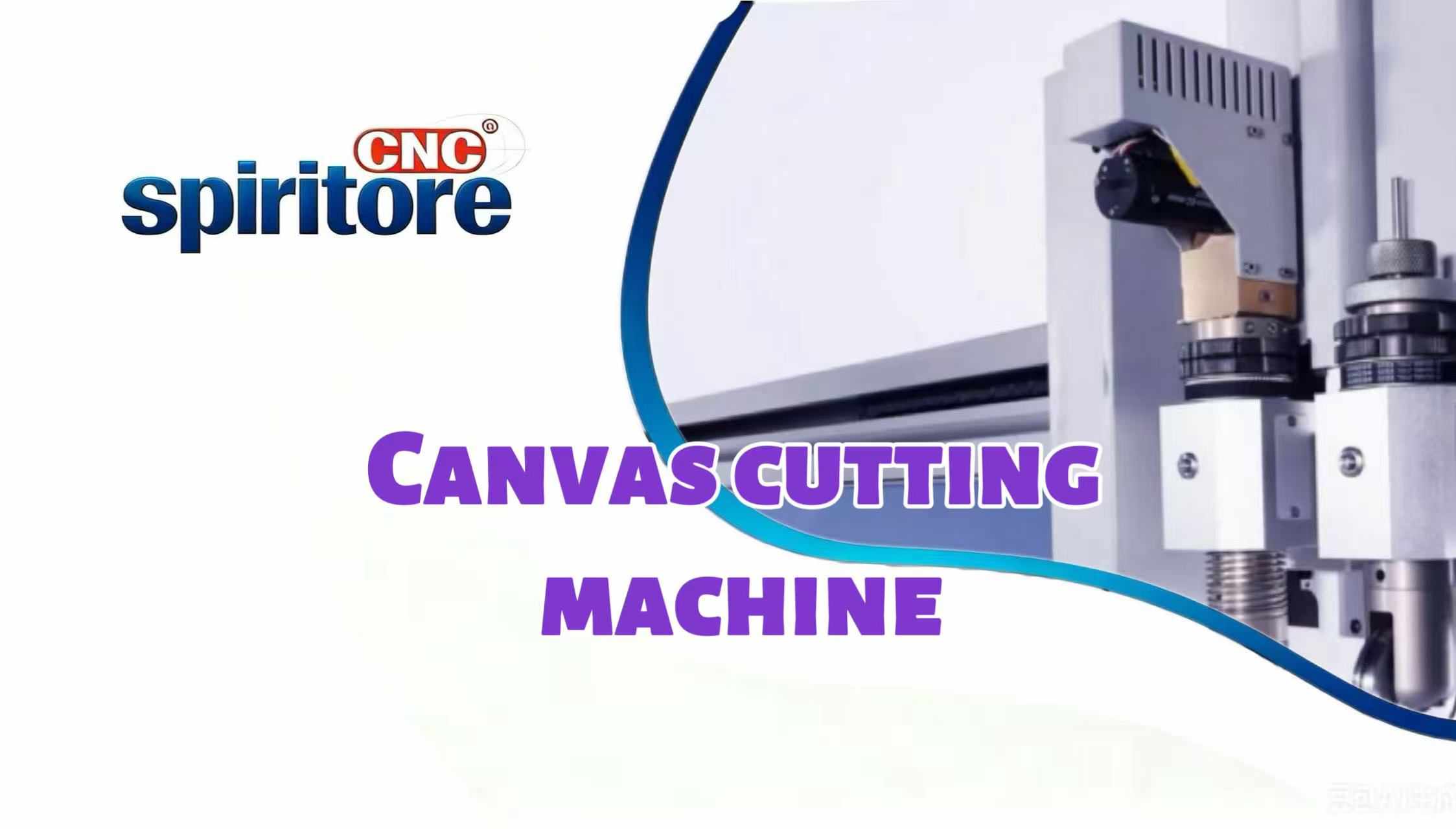
CNC vibrating knife cutting machine adopts high-frequency oscillating blade cutting technology, matched with large vision camera positioning system, which thoroughly solves all pain points of traditional cutting processes. The comparison of core advantages is as follows:
- Zero mold cost & rapid order response. The vibration cutter supports direct import of CAD design drawings without custom metal dies. Factories can finish sample cutting within minutes when receiving new customized orders, greatly shortening sample delivery cycle and adapting to small-batch personalized orders.
- Ultra-high cutting precision & stable product consistency. The equipment positioning accuracy reaches ±0.05mm. High-frequency vibration blade touches materials briefly during cutting, without squeezing or stretching flexible fabrics. All cut pieces keep uniform size, clean edge without burr, fiber tearing or deformation, and the defective rate drops sharply.
- Dramatic labor cost reduction & efficiency improvement. The large vision system automatically identifies material outlines and generates optimal cutting paths intelligently. One operator can manage multiple cutting machines at the same time, replacing 5-8 manual cutting workers. The whole cutting flow runs automatically, cutting speed is 3-6 times faster than manual operation, and daily factory output gets significantly lifted.
- Higher material utilization & less raw material waste. Built-in intelligent nesting software automatically arranges patterns to maximize fabric usage, reducing material waste by over 10% compared with traditional cutting modes. The vision system can also automatically avoid material defects such as stains and holes, further lowering scrap loss.
- Simple operation & low maintenance difficulty. The machine’s operation panel uses visual graphic control, and new employees can master complete operation steps within half an hour without professional cutting experience. The blade replacement and daily cleaning work are simple, and vulnerable parts have long service life, requiring little daily maintenance investment.
- Eco-friendly cold cutting without secondary processing. Vibration knife belongs to physical cold cutting, no high temperature will scorch fabrics, produce smoke or peculiar smell. No edge sealing or trimming work is needed after cutting, saving post-processing working hours and meeting environmental production standards of global customers.
Full List of Materials Suitable for Vibrating Knife Cutting Equipment
This intelligent cutting device fits almost all soft and semi-rigid non-metallic materials widely used in handbag, canvas bag, garment, furniture and packaging industries, the complete material list covers:
Textile fabrics: canvas, cotton cloth, linen, denim, non-woven fabric, polyester, nylon, printed fabric, oxford cloth, waterproof textile
Leather & synthetic leather: genuine leather, PU leather, PVC leather, microfiber leather, artificial suede
Foam & cushion materials: EVA foam, PU sponge, polyethylene foam, XPS, EPS, composite foam lining
Composite flexible materials: adhesive back rubber, fiber composite cloth, carbon fiber cloth, aramid composite sheet
Paper & packaging materials: cardboard, honeycomb paper, KT board, self-adhesive sticker, protective carton liner
Other soft materials: rubber sheet, felt, soft PVC film, insulation cotton, automotive interior fabric
Physical Characteristics of Applicable Cutting Materials & Matching Cutting Logic
Each type of material has unique physical traits, and the vibrating knife machine adjusts vibration frequency, cutting depth and blade type automatically to match different material features:
- Canvas, cotton and linen fabrics: high fiber tensile strength, easy to stretch under extrusion. The high-speed vibration blade cuts instantly without pulling fiber, preventing edge fraying and size deformation.
- PU leather, microfiber leather: soft texture with surface coating, easy to stick to ordinary cutting tools. Short contact time of vibration blade reduces friction adhesion, maintaining smooth complete surface without coating peeling.
- EVA, PU sponge: porous elastic structure, easy to be compressed and deformed by stamping dies. Vibration cutting realizes one-time penetration without squeezing foam layers, keeping the original thickness of finished parts.
- Composite adhesive materials: equipped with sticky glue layers, prone to tool sticking and material layering. Cold vibration cutting avoids heat melting glue, ensuring clean separation of composite layers without residual glue on edges.
- Non-woven & thin printed textiles: thin texture, fragile fiber structure. Low-amplitude vibration cutting is adopted to avoid tearing thin fabrics, guaranteeing complete pattern outlines.
- Harder semi-rigid materials like KT board, honeycomb paper: certain surface hardness, easy to produce rough fracture edges under manual cutting. Medium-frequency vibration blade achieves smooth vertical cutting sections without chipping.
Conclusion
For canvas bag, handbag and textile processing enterprises, upgrading from traditional manual or die stamping cutting to CNC vibrating knife cutting equipment is an effective way to solve high labor cost, low efficiency and high defective rate. This cutting machine integrates visual automatic positioning, intelligent nesting and cold vibration cutting technology, covering most mainstream flexible processing materials, with obvious economic and production benefits for medium and small processing factories. If you are looking for efficient automatic cutting equipment to upgrade your production line, feel free to send private messages to consult detailed parameters and factory cases.