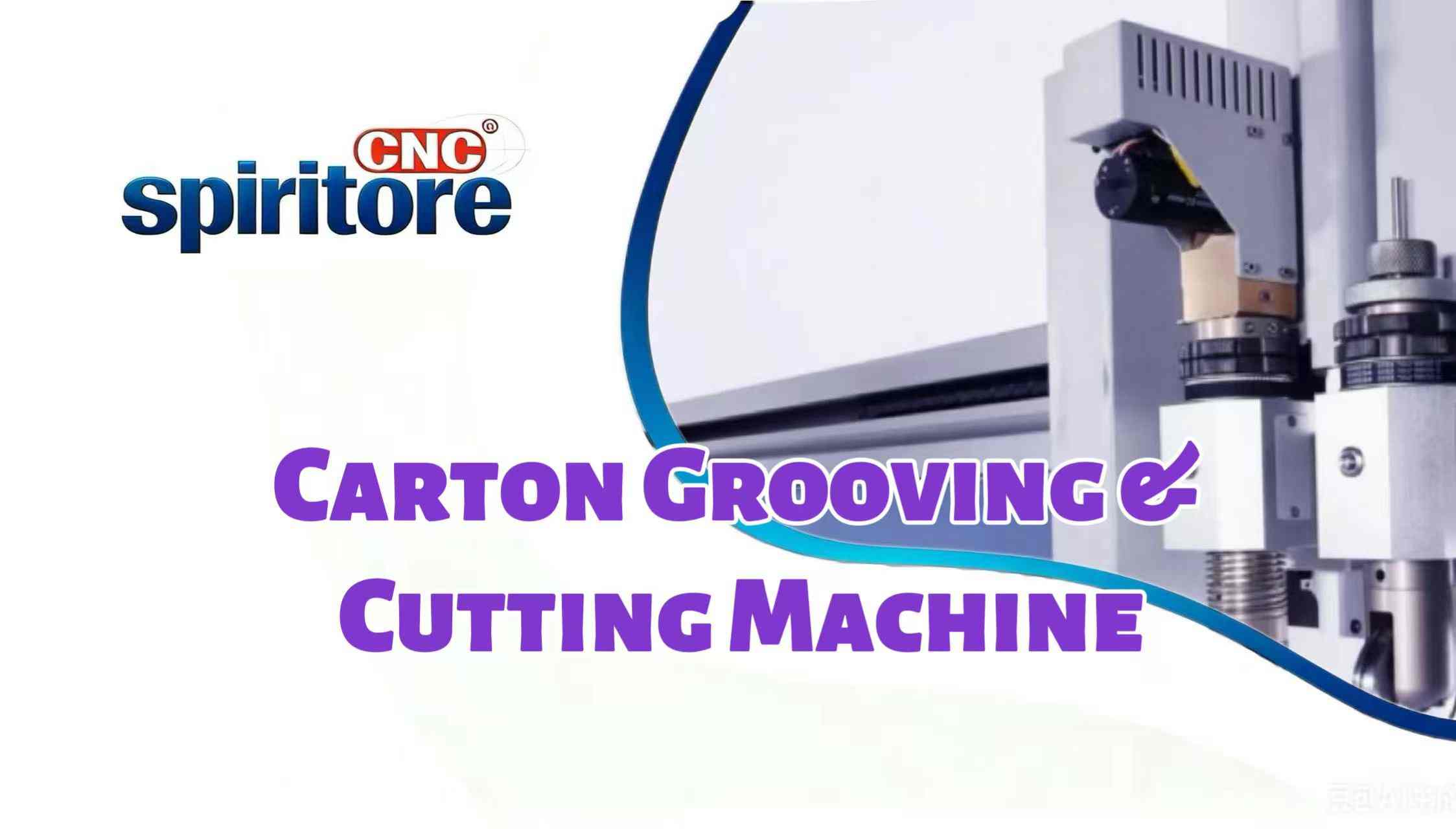
E-commerce packaging suppliers, printing factories and custom carton manufacturers face mounting pressure from frequent new box styles, scattered small orders and tight delivery deadlines. Traditional hydraulic die cutting and manual trimming rely heavily on customized steel molds, which bring high procurement costs and long waiting cycles, while laser cutting will damage printed surfaces and corrugated structures. Die-less CNC vibrating knife cutting machines integrate cutting, creasing, slotting and marking functions to solve all packaging processing bottlenecks. This article fully contrasts conventional carton cutting techniques and digital oscillating knife equipment, covering core industry pain points, exclusive multi-functional advantages, complete applicable paper material catalog and physical characteristics of mainstream packaging boards.
Core Industry Pain Points of Traditional Carton Cutting
First, repeated steel die manufacturing creates heavy cost and time loss. Every new carton structure, gift box size and personalized print design needs an independent cutting mold. For factories with dozens of new styles monthly, mold fees pile up rapidly, and each mold requires 3–7 production days, delaying sample delivery and failing to seize short-cycle custom orders. Mass mold storage also occupies large warehouse space and raises management labor cost.
Second, separated working procedures extend the whole processing cycle. Traditional production divides cutting, indentation, slotting and marking into independent stations. Materials need repeated handling and transportation between different machines, generating extra manual work and greatly slowing down both prototype sampling and small-batch mass production speed.
Third, laser thermal cutting permanently destroys cardboard texture and printed graphics. High laser heat melts paper fibers, leaving yellow burnt edges, softening hollow corrugated cores and fading surface ink. Finished carton samples cannot reflect real mass production effects, leading to customer complaints and order cancellation; laser equipment also releases irritating toxic smoke that fails factory environmental audits.
Fourth, manual layout causes serious raw material waste. Workers arrange cardboard blanks only based on personal experience without intelligent nesting algorithms. Thick grey board, multi-layer corrugated and coated art paper produce massive leftover scraps, continuously compressing profit margins of packaging sample and batch business.
Fifth, low automation leads to heavy labor dependence and unstable cutting precision. Hydraulic die presses require skilled workers to replace and adjust molds frequently, and manual drawing lines bring obvious dimensional errors. Uneven crease depth and irregular outlines increase defective product rate, adding repeated rework workload for production teams.
Sixth, limited processing flexibility restricts diversified box customization. Fixed steel dies only match single box shapes, unable to quickly adjust special hollow patterns, irregular outlines and variable slot sizes. Factories cannot flexibly respond to diverse personalized packaging demands from e-commerce merchants and brand clients.
Traditional Cutting VS Die-Less Vibrating Knife Cutter: Core Competitive Advantages
- Four-in-one integrated processing cuts, creases, slots and marks in single passEquipped with interchangeable oscillating knife, pressure wheel, V-slot cutter and marking pen modules, the machine completes all required carton procedures in one automatic run after importing CAD box drawings. No manual material transfer between separate stations, drastically shortening sampling and production lead times to help factories respond to market demands faster and boost overall competitiveness.
- Full die-less digital design eliminates all mold-related expensesNo customized steel cutting molds are needed at all. Operators switch different carton, gift box and display rack styles by simply importing new design files within 60 seconds. All mold manufacturing, storage and maintenance costs are completely removed, making small-batch trial orders and frequent style updates highly cost-effective for packaging manufacturers.
- Pure cold physical cutting protects paper structure and printed layersHigh-frequency blade vibration processes cardboard without any heat generation. Corrugated inner cores will not collapse, printed ink stays bright and unfaded, and cutting edges remain smooth burr-free without burnt discoloration. Finished prototypes perfectly restore the appearance and folding performance of mass-produced cartons, greatly reducing customer rejection rate of samples. No harmful smoke is generated during operation to build eco-friendly workshop conditions.
- Intelligent automatic nesting algorithm maximizes cardboard utilizationBuilt-in packaging-specific layout software automatically arranges multiple box patterns on single board rolls, reasonably filling blank gaps to minimize waste. Compared with manual placement, raw material utilization rate rises 13%–22%, cutting long-term paper procurement expenditure for factories running frequent sampling and small batch jobs.
- High servo precision ensures uniform, fold-friendly finished cartonsServo drive system delivers stable ±0.1mm cutting accuracy, with adjustable pressure wheels and slot depths. All crease lines maintain consistent depth for neat folding, slot positions align perfectly with design drawings, and complex irregular hollow shapes are processed without dimensional deviation, minimizing post-production rework.
- One-click fully automatic operation greatly reduces labor demandAfter uploading box structural files, the machine runs autonomously with one click. Only one entry-level operator is required to feed raw boards and collect finished pieces, replacing multiple mold adjustment and trimming workers. Factories effectively solve the industry’s pain of high labor cost and shortage of skilled packaging operators.
- Wide material & size compatibility covers all packaging scenariosAdjustable cutting stroke and switchable tool heads support tiny cosmetic gift boxes, medium retail cartons and oversized logistics shipping boxes, compatible with single wall to triple wall corrugated board, thick grey board and thin coated paper in one single device, no extra equipment investment for diversified order types.
Complete List of Applicable Carton Cutting Materials
The multi-functional die-less vibrating knife cutter adapts all mainstream paper substrates for custom carton sampling and small-batch production. Corrugated materials include A, B, C, E, AB, BC flute single/double/triple wall corrugated board, honeycomb paperboard. Flat paper materials cover grey chipboard, white cardboard, coated art paper, kraft liner paper, folding gift box board, laminated composite packaging paper, thin color printing paper and rigid display stand board.
Physical Characteristics of Main Packaging Paper & Matching Cutting Performance
- Multi-flute corrugated & honeycomb boardPhysical features Hollow sandwich inner core, inconsistent hardness of surface, medium and liner paper; easy core collapse under heavy die pressure; heat softens corrugated structure and leaves burnt yellow edges.Cutting matching Controllable crease wheel pressure and slot depth avoid inner core deformation; cold vibration cleanly separates paper layers without thermal damage, creases stay uniform for smooth carton folding.
- Thick grey board & solid gift box cardboardPhysical features Dense solid fiber structure, thick rigid texture; excessive indentation force causes surface paper cracking; manual cutting creates rough fiber burrs requiring secondary trimming.Cutting matching Adjustable gentle crease pressure prevents surface crack, vibrating blade delivers smooth edge finish with zero loose paper fibers, no extra polishing needed.
- Coated art paper & color printed white cardboardPhysical features Thin ink coating on paper surface, heat-sensitive printing layer that fades under thermal cutting; thin sheet easily shifts without vacuum material fixation.Cutting matching Micro vacuum adsorption table firmly locks thin paper to eliminate sliding displacement; cold cutting fully retains clear, bright printed patterns without discoloration or blurring.
- Multi-layer laminated composite packaging paperPhysical features Bonded multi-paper structure with varying hardness between layers; unstable cutting force leads to delamination and outline dislocation.Cutting matching Balanced vibration strength tightly holds composite layers during processing, no separation or offset between different paper laminates.
In summary, multi-functional die-less CNC vibrating knife cutters solve all major limitations of traditional steel die carton cutting from mold cost, processing efficiency, multi-function integration, finished quality and labor cost dimensions. For packaging printing factories and carton manufacturers focusing on fast custom sampling and flexible small-batch production, this intelligent digital cutting equipment is an essential upgrade to lift production efficiency and market competitiveness.