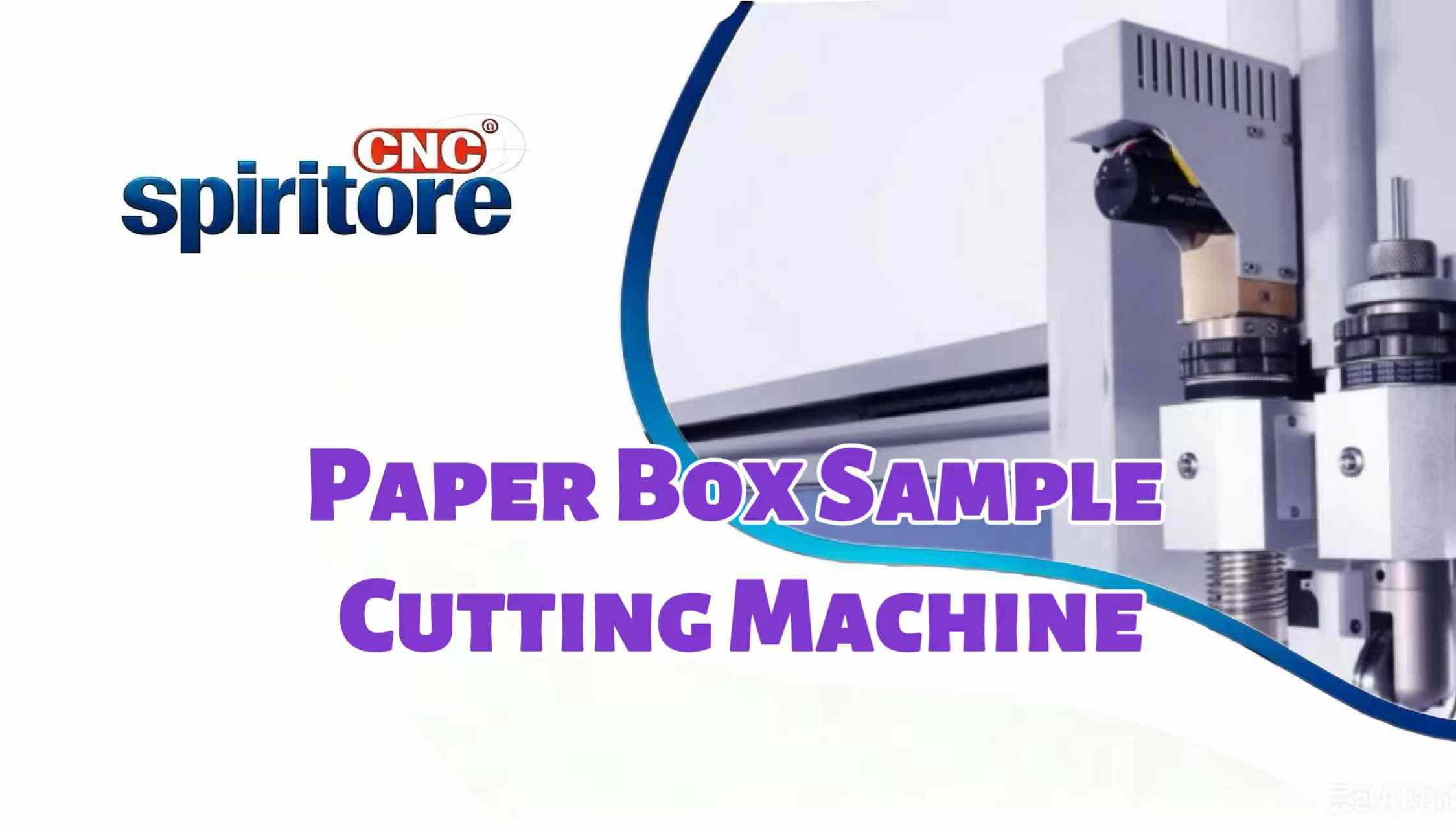
Packaging printing factories and carton manufacturers face heavy pressure from frequent customized orders and fast market iteration. Traditional manual cutting, hydraulic die cutting and laser sampling machines cannot balance sampling speed, crease quality and flexible multi-size processing. CNC vibrating knife sample cutters integrating cutting and creasing functions perfectly solve these problems. This passage fully compares conventional carton processing crafts and digital vibrating knife equipment, covering core industrial pain points, prominent competitive strengths, complete applicable paper material range and physical traits of mainstream packaging board.
Core Pain Points of Traditional Carton Sample Making
First, customized steel molds bring long waiting cycle and extra procurement cost. Every new carton size, special structure and personalized printing box requires separate steel die. Small batch trial orders and frequent design revisions mean repeated mold production expenditure and 3–7 days waiting time, which greatly delays sample delivery and loses potential clients. Mold storage also occupies a large area of factory warehouse space and increases management cost.
Second, manual cutting and creasing result in low precision and inconsistent prototype quality. Workers draw lines and press creases by hand, human error leads to dimensional deviation, uneven indentation and unsmooth cutting edges. Finished carton samples cannot be used as accurate reference for mass production, and secondary manual correction wastes plenty of labor hours.
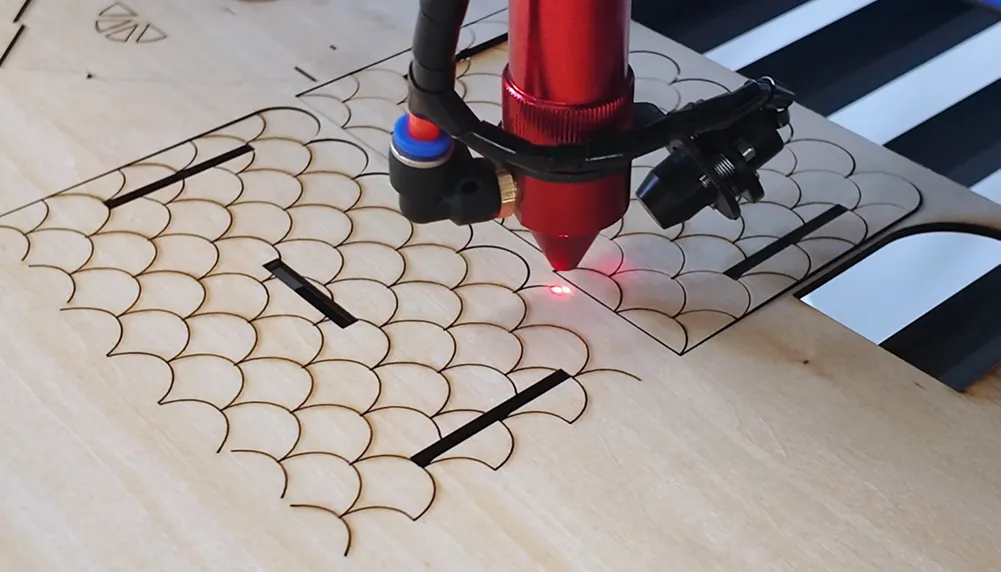
Third, laser cutting damages corrugated board structure and printing surface. High temperature laser burns paper edges, leaves yellow burnt marks and softens the corrugated inner core. Printed patterns on cardboard will fade or blur under heat, making prototypes unable to reflect real finished box appearance; meanwhile laser equipment discharges irritating smoke which fails environmental inspection.
Fourth, single function equipment cannot complete cutting and creasing at one time. Factories need independent machines for cutting and indentation separately, increasing equipment investment and occupying more production space. Switching equipment back and forth prolongs the whole sampling cycle and slows down response speed to customer demands.
Fifth, unreasonable manual layout causes massive cardboard waste. Workers arrange paper blanks only by personal experience without intelligent nesting algorithm. High cost coated paper, thick grey board and multi-layer corrugated board generate a lot of leftover scraps, continuously compressing profit margin of sample service business.
Sixth, traditional equipment cannot cover full range of carton specifications. Manual and die cutting machines are limited by mold size, unable to process ultra-small gift boxes or oversized logistics cartons in one device. Factories have to prepare multiple sets of molds to cope with different order demands, raising comprehensive operating pressure.
Traditional Craft VS Vibrating Knife All-In-One Sample Cutter: Core Advantages
- Integrated cutting & creasing dual functions finish carton prototype in one stepThis digital vibrating knife cutter is equipped with independent cutting blade and creasing wheel. Operators only input carton CAD drawings, the machine automatically completes contour cutting and indentation molding synchronously without switching equipment. The whole sampling cycle is greatly shortened, enabling factories to reply to customer customization requests within a short time.
- Dieless digital processing eliminates mold cost and waiting periodNo customized steel cutting molds are required. Switching small gift boxes, medium retail cartons and large logistics transport boxes only takes less than one minute. Frequent design modification and one-off sample orders will not generate extra mold fees, effectively reducing the comprehensive sampling cost of packaging factories.
- Ultra-high machining precision guarantees reliable production referenceServo drive system supports cutting accuracy up to ±0.1mm, all crease lines are uniform in depth and straight without deviation. The finished carton prototype can be directly used as the standard template for mass die cutting, removing manual correction links and improving the authenticity of sample display for clients.
- Cold physical processing protects paper structure and printed graphicsVibration cutting relies on physical oscillation without heat generation. No burnt yellow edges or softened corrugated cores appear, surface printed ink will not fade or blur, completely restoring the real texture and printing effect of formal carton products. The whole processing process produces no toxic smoke to build eco-friendly workshop environment.
- Intelligent automatic nesting reduces cardboard raw material wasteBuilt-in professional packaging layout software intelligently arranges multiple carton prototypes on one piece of cardboard, filling blank gaps reasonably. Paper utilization rate rises 12%–21% compared with manual arrangement, cutting long-term board consumption for frequent sampling tasks.
- Wide processing range covers all sizes of carton productsAdjustable processing stroke supports tiny cosmetic gift boxes, medium food packaging cartons and oversized logistics shipping boxes on a single machine. Factories no longer need to prepare various large and small molds to meet diversified customized order demands, lowering equipment and mold storage investment.
- One-click automatic operation cuts labor reliance sharplyAfter importing carton structural drawings, the machine runs fully automatically with one click. Only one entry-level operator is needed to place raw boards and collect finished samples, solving the problem of high labor cost and shortage of skilled sampling workers in packaging industry.
Complete List of Applicable Carton Cutting Materials
The cutting crease all-in-one vibrating sample cutter adapts all mainstream paper substrates for packaging sample making, including various corrugated boards and rigid printing paper. Corrugated materials cover single wall, double wall, triple wall corrugated board of A/B/C/E/AB flute types. Flat paper materials include grey chipboard, coated art paper, kraft paper, white cardboard, honeycomb paperboard, laminated composite packaging paper, thin folding carton paper and thick hard gift box board.
Physical Characteristics of Main Packaging Paper & Matching Cutting Performance
- Multi-flute corrugated boardPhysical features: Hollow sandwich inner core structure, different hardness among surface paper, medium paper and liner paper; easy to collapse under heavy die pressure; heat will soften corrugated core and leave burnt marks.Cutting matching: Controllable creasing wheel pressure and cutting depth avoid inner core collapse; cold vibration separates paper layers cleanly without thermal damage, indentation lines neat and suitable for folding.
- Grey board & thick hard gift box boardPhysical features: Dense solid fiber structure, thick texture, strong compression resistance; over-large crease pressure will produce paper cracking on surface.Cutting matching: Adjustable indentation force to prevent surface paper crack, vibration cutting edges smooth without fiber burrs, no secondary trimming needed.
- Coated art paper & white cardboard with printingPhysical features: Thin ink coating on paper surface, coating melts and fades under high temperature thermal cutting; thin paper sheet shifts easily without vacuum adsorption.Cutting matching: Micro vacuum table fixes paper firmly to avoid sliding; cold cutting fully retains clear printed patterns without discoloration or blurring.
- Honeycomb paperboard & multi-layer composite packaging paperPhysical features: Multi-layer glued composite structure, inconsistent hardness of each layer; unstable cutting force leads to delamination.Cutting matching: Balanced vibration strength locks composite layers tightly during processing, no separation or dislocation between different paper layers.
In summary, cutting and creasing integrated CNC vibrating knife sample cutters resolve all major bottlenecks of traditional carton sample making from sampling speed, mold cost, processing precision, material compatibility and labor cost. For packaging printing factories that need to respond rapidly to mass customized carton orders, this digital sampling equipment is a necessary upgrade to improve market competitiveness.